SURGING DAILY-LIFE INTEGRATION OF COPILOT AI RAISES QUESTIONS ABOUT TECH ADOPTION, PRODUCT STRATEGY, AND MARKET EXPECTATIONS
Microsoft’s stock experienced pressure as consumers increasingly use AI tools like Copilot for highly personal, unconventional tasks — signaling a shift in how AI is being woven into everyday routines.
Microsoft’s stock came under pressure this week as investors assessed a surprising trend: users across the U.S. are leaning heavily on AI assistants like Copilot for personal, unexpected tasks beyond traditional productivity use cases. The shift has prompted a reevaluation of how Microsoft’s AI strategy aligns with user behavior and long-term enterprise demand.
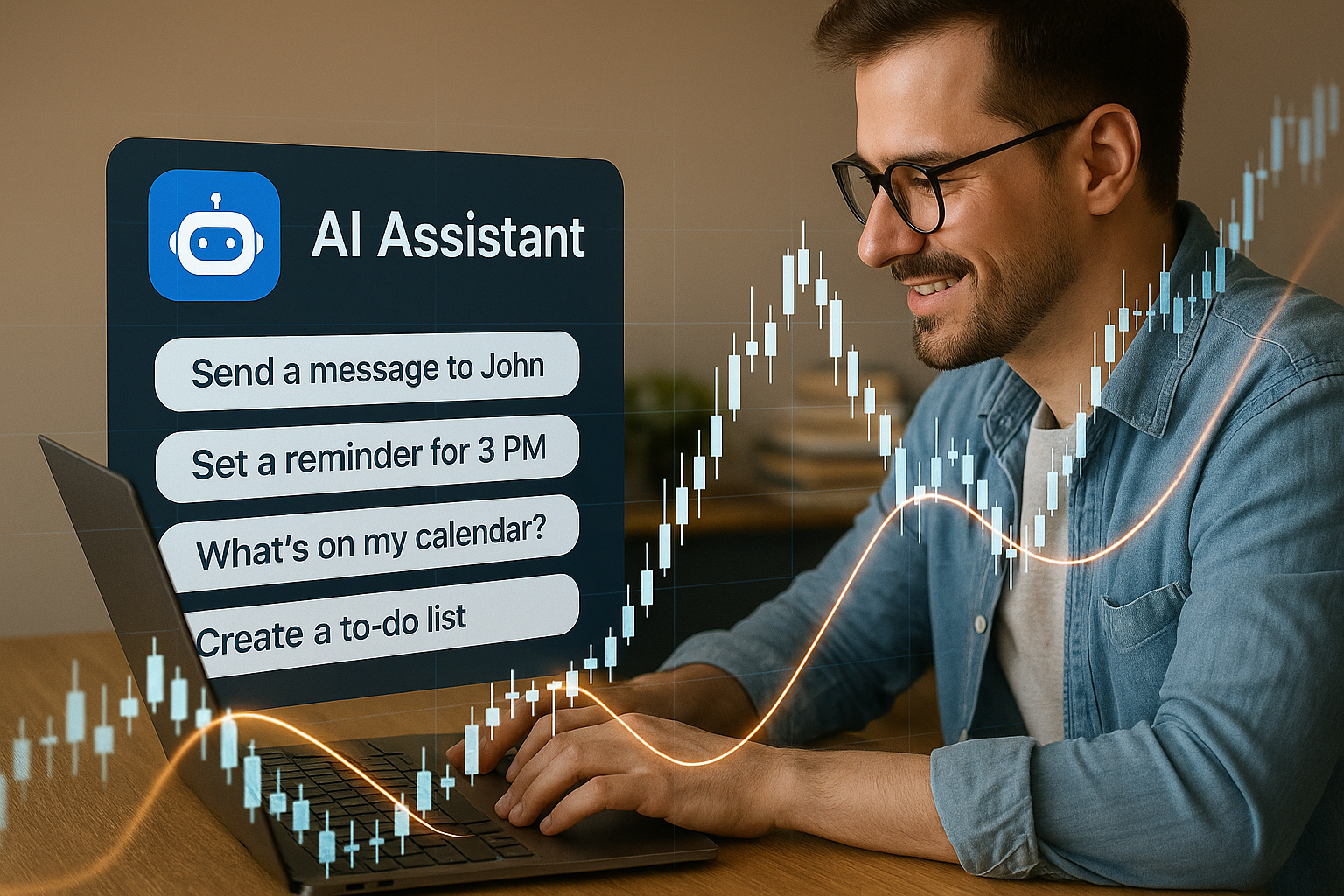
According to tech-usage analysts, individuals are using Copilot to plan vacations, manage household budgets, create meal plans, assist with dating-app conversations, generate emotional support scripts, and even mediate interpersonal disputes. These personal-use cases were not part of Microsoft’s initial enterprise-centered vision for Copilot, which was marketed as a workplace and productivity enhancer.
The surge in consumer use has created mixed reactions on Wall Street. Some investors view widespread personal adoption as a strong indicator of future growth, while others worry it could dilute Microsoft’s enterprise-focused AI roadmap, complicating revenue projections tied to business subscriptions and cloud-service utilization.
Microsoft executives have emphasized that personal use and enterprise deployment can coexist, but the company is now reviewing how to position Copilot across both markets without undermining its premium enterprise value. Analysts say the current stock pressure reflects the transition as Microsoft adapts to consumer behavior that is evolving faster than expected.
At the same time, competitors such as Google, Meta, and OpenAI are accelerating their own AI-assistant offerings, which could reshape adoption rates and pricing structures across the tech sector. Microsoft’s ability to maintain leadership in the AI-assistant market may depend on how quickly it responds to the shifting ecosystem.
Despite the temporary stock dip, analysts maintain a positive long-term outlook for Microsoft’s AI integration, especially as generative-AI adoption expands in both business and consumer environments.