Latest data show inflation continuing to ease as policymakers monitor the path toward price stability.
U.S. inflation has fallen to 2.7%, according to the latest economic data, marking a further slowdown in price growth and moving closer to the Federal Reserve’s long-term target.
U.S. inflation declined to 2.7%, according to the latest economic data, reflecting continued moderation in price increases across the economy. The reading suggests inflationary pressures have eased compared with previous periods of elevated growth.
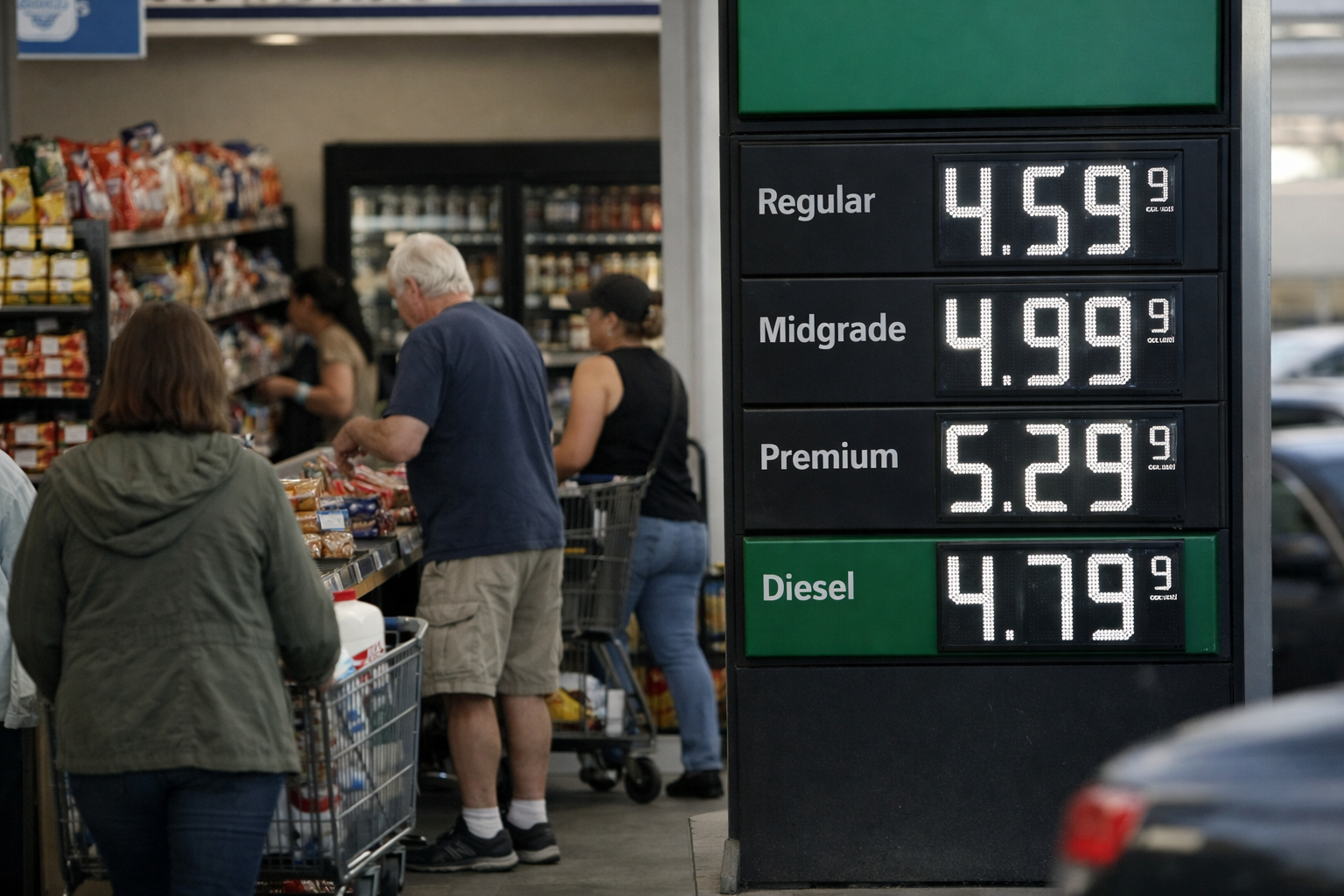
Economists say the decline points to slower increases in costs for goods and services, including energy and certain consumer items. However, inflation remains above the Federal Reserve’s long-term target of 2%.
The data will be closely watched by policymakers as they assess the future path of interest rates. Federal Reserve officials have said decisions will depend on sustained progress toward price stability.
Market participants reacted cautiously, noting that while inflation is trending lower, uncertainty remains around economic growth, labor markets, and global conditions that could affect prices.
Some analysts warn that inflation progress can be uneven, with temporary factors influencing monthly and annual figures. They emphasize the importance of looking at longer-term trends rather than a single data point.
The latest inflation reading adds to evidence that the economy may be moving toward a more stable pricing environment, though officials say further confirmation is needed before policy adjustments are made.