The unprecedented seizure — backed by the Coast Guard, FBI, DHS, and the U.S. Navy with helicopter teams from the USS Gerald R. Ford — marks the first action of its kind under President Trump as Washington cracks down on sanctioned oil networks tied to Iran, Venezuela, and Hezbollah.
U.S. forces have seized the VLCC Skipper — a massive crude-oil supertanker capable of carrying up to 2 million barrels — in waters off Venezuela, dramatically escalating tensions between Washington and the Maduro government.
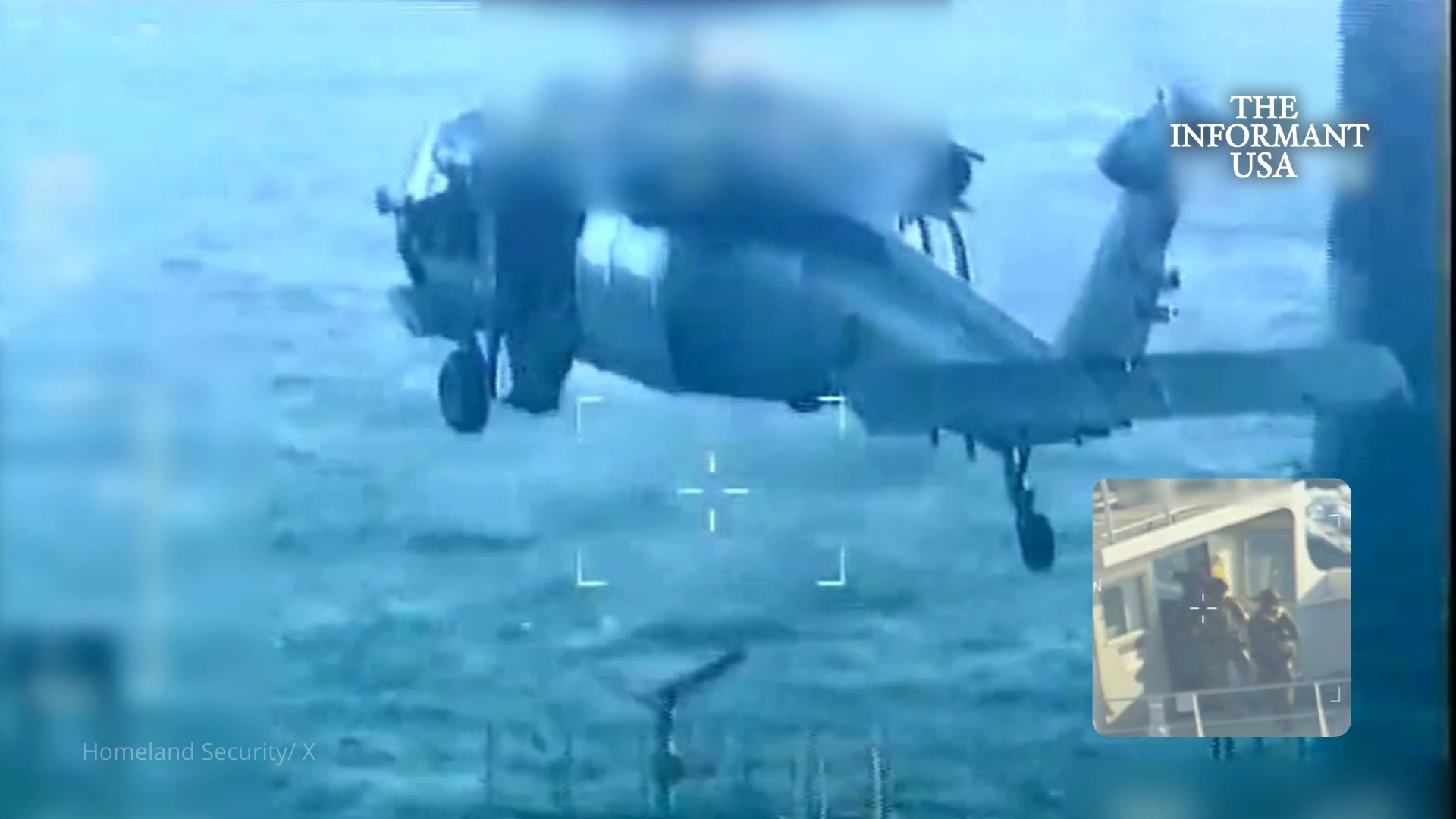
The operation involved the U.S. Coast Guard, FBI, Department of Homeland Security, and Department of Defense, with armed teams fast-roping from helicopters launched off the USS Gerald R. Ford, the world’s most advanced aircraft carrier.
U.S. Attorney General Pam Bondi released footage on X showing the armed boarding team descending to LL Cool J’s “Mama Said Knock You Out”, framing the seizure as a decisive blow against illegal oil networks.
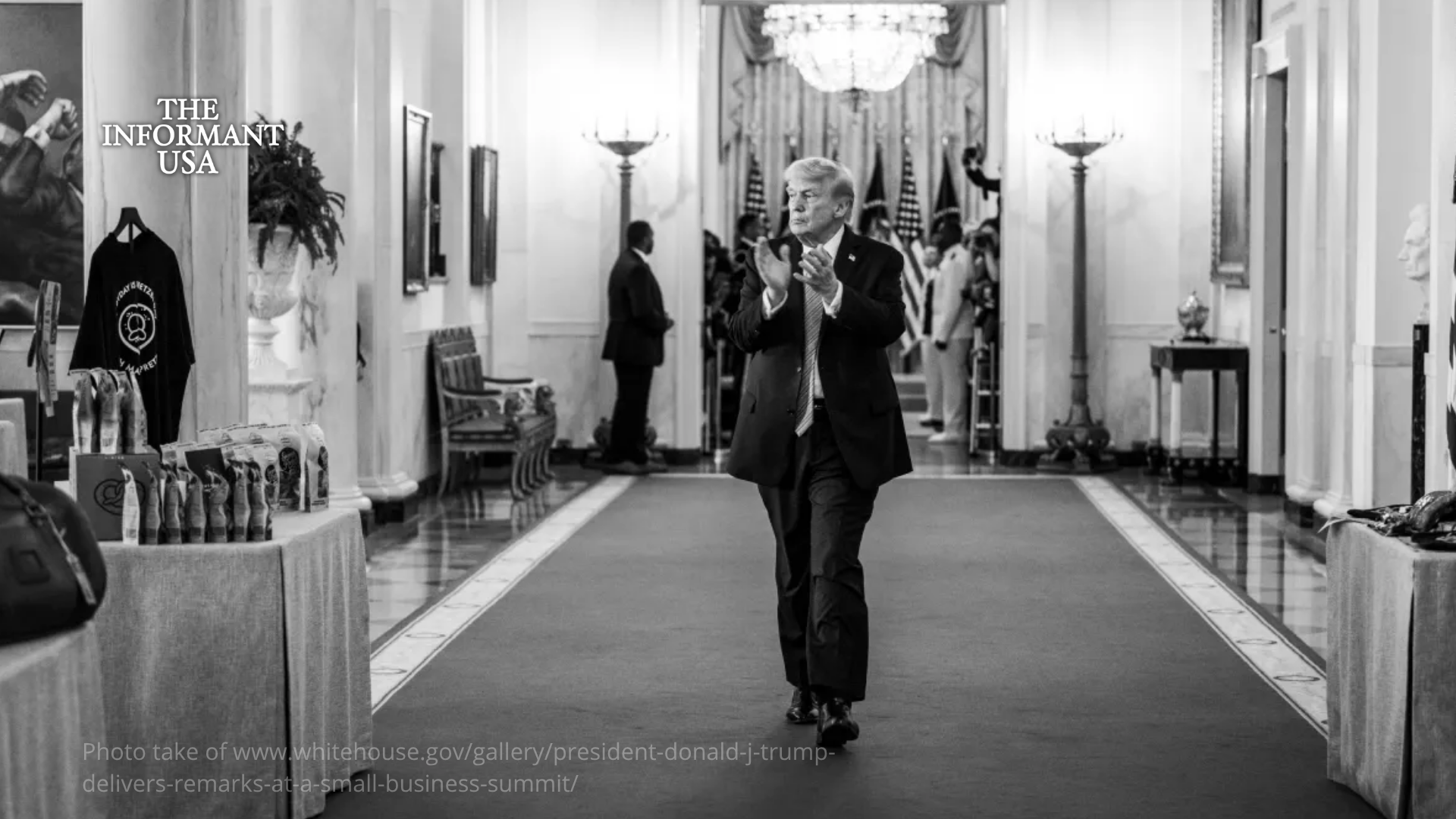
President Donald Trump confirmed the mission, calling the Skipper
“the largest oil tanker ever seized by the United States,”
and suggested the U.S. may retain the oil cargo.
No injuries were reported; the crew offered no resistance.
WHY THE SKIPPER WAS TARGETED
The Skipper — previously named Adisa and Toyo — was sanctioned by the U.S. Treasury in 2022 for allegedly participating in a global oil-smuggling network benefiting:
- sanctioned Venezuelan entities
- Iranian state interests
- Hezbollah
- the Iranian Quds Force
Key allegations include:
- moving nearly 13 million barrels of Iranian and Venezuelan crude since 2021
- conducting AIS “spoofing” to hide its position for over 80 days
- ship-to-ship transfers near Curaçao and other jurisdictions
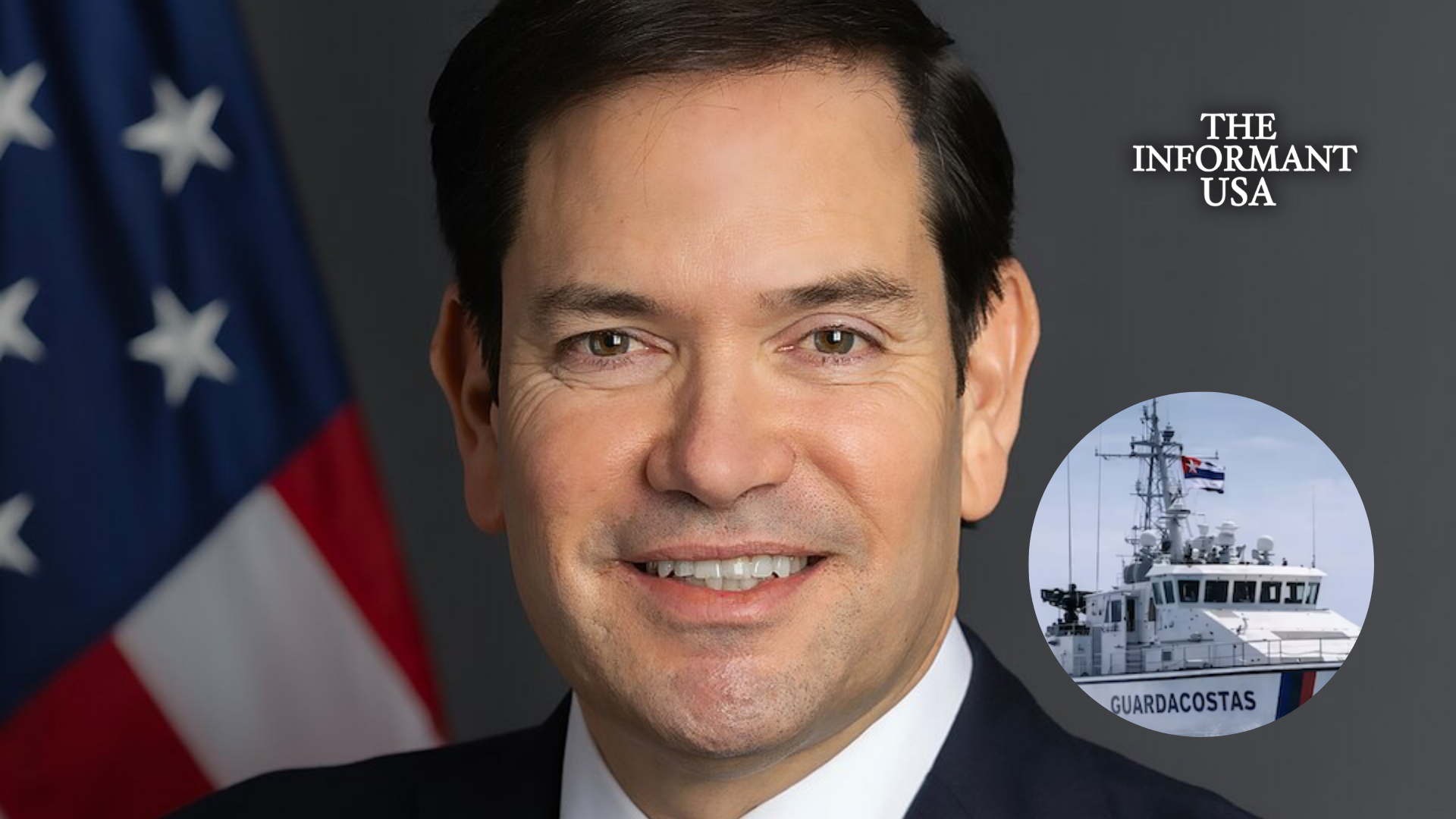
- falsifying destinations, including claiming Cuba while delivering elsewhere
- sailing under an unauthorized, fake Guyanese flag
- operating via opaque companies in the Marshall Islands and Nigeria
In Nov. 2025, the tanker reportedly loaded between 1.1 and 1.8 million barrels of Merey crude at Puerto José, Venezuela, before disappearing from trackers.
A U.S. judge issued the seizure warrant two weeks before the operation, citing violations of U.S. sanctions dating back to 2019.
U.S. POSITION: “DISRUPTING TERROR-FINANCING OIL”
Trump administration officials characterize the operation as a direct strike on illicit revenue streams funding:
- the Maduro government
- Iran-aligned militias
- transnational criminal networks
Energy analyst Andrew Lipow said the seizure is meant to raise the cost of Venezuela’s shadow fleet and reduce the regime’s hard-currency earnings.
The mission aligns with the administration’s broader regional military buildup — the largest U.S. presence in the Caribbean since the Cuban Missile Crisis — including 22 airstrikes on alleged narco-trafficking vessels in 2025.
VENEZUELA: “PIRACY AND OUTRIGHT THEFT”
Maduro’s government condemned the operation as:
“international piracy”
and
“a blatant theft of Venezuelan resources.”
Caracas vowed to “defend its sovereignty” and said it will pursue remedies in international courts.
GLOBAL & REGIONAL IMPACT
Guyana clarified it never registered the tanker and that its flag was used illegally.
Legal experts say U.S. jurisdiction over a foreign-flagged vessel outside territorial waters will face international-law challenges, especially from countries resisting U.S. extraterritorial sanctions.
Broader implications include:
- higher oil prices (Brent +0.4%, WTI +0.4%)
- potential seizures of 1,000+ other sanctioned tankers
- economic shock to Venezuela’s fragile petro-economy
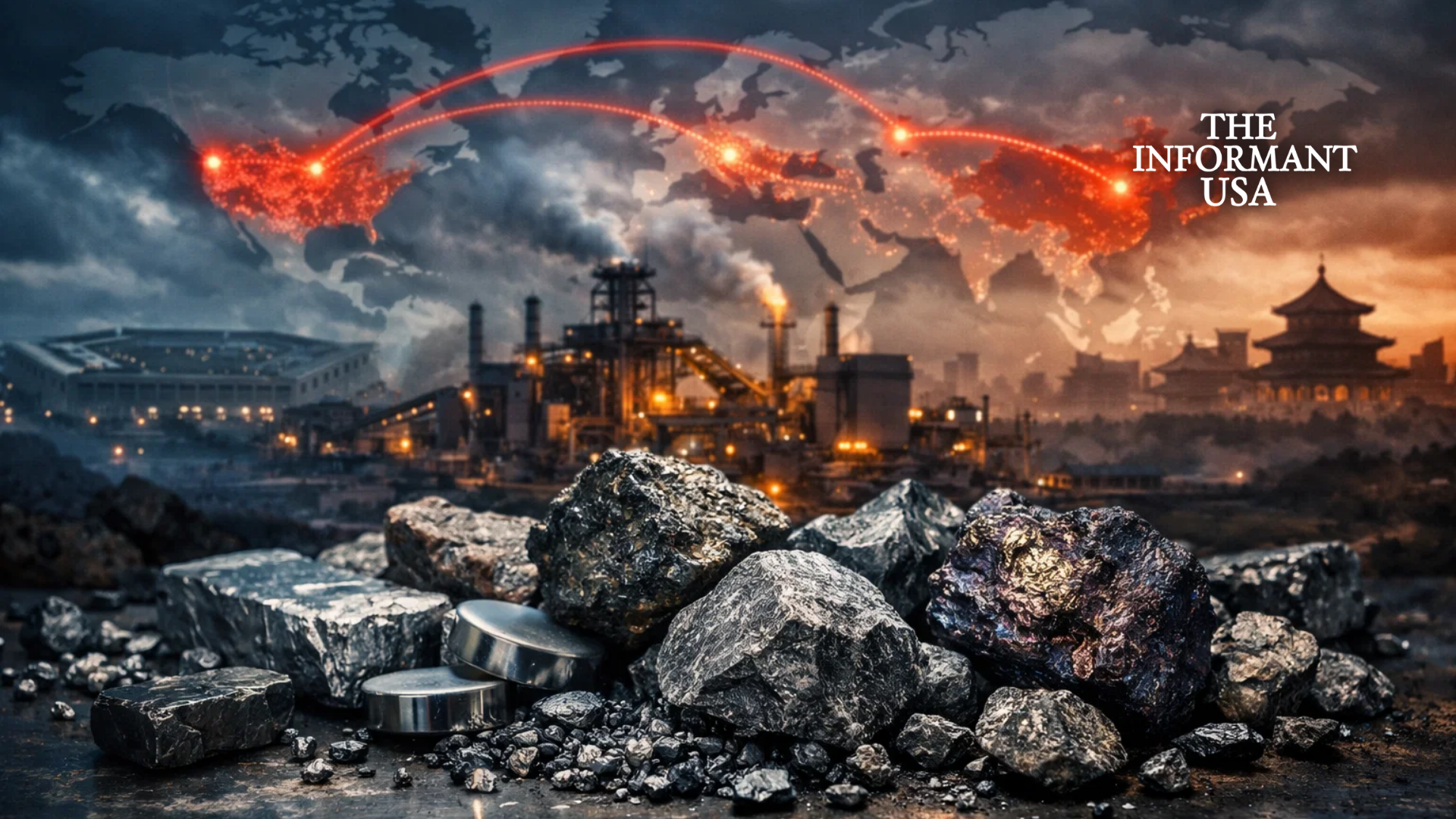
- erosion of discounted oil flows to China
- a precedent for unilateral maritime enforcement that could reshape global energy logistics
Economists warn Venezuela could face financial panic, as even minor interruptions in crude exports destabilize its already strained fiscal system.