RATCLIFFE AND COTTON CONFIRM EVIDENCE OF “SUPER-CRITICAL” WEAPONS EXPERIMENTS
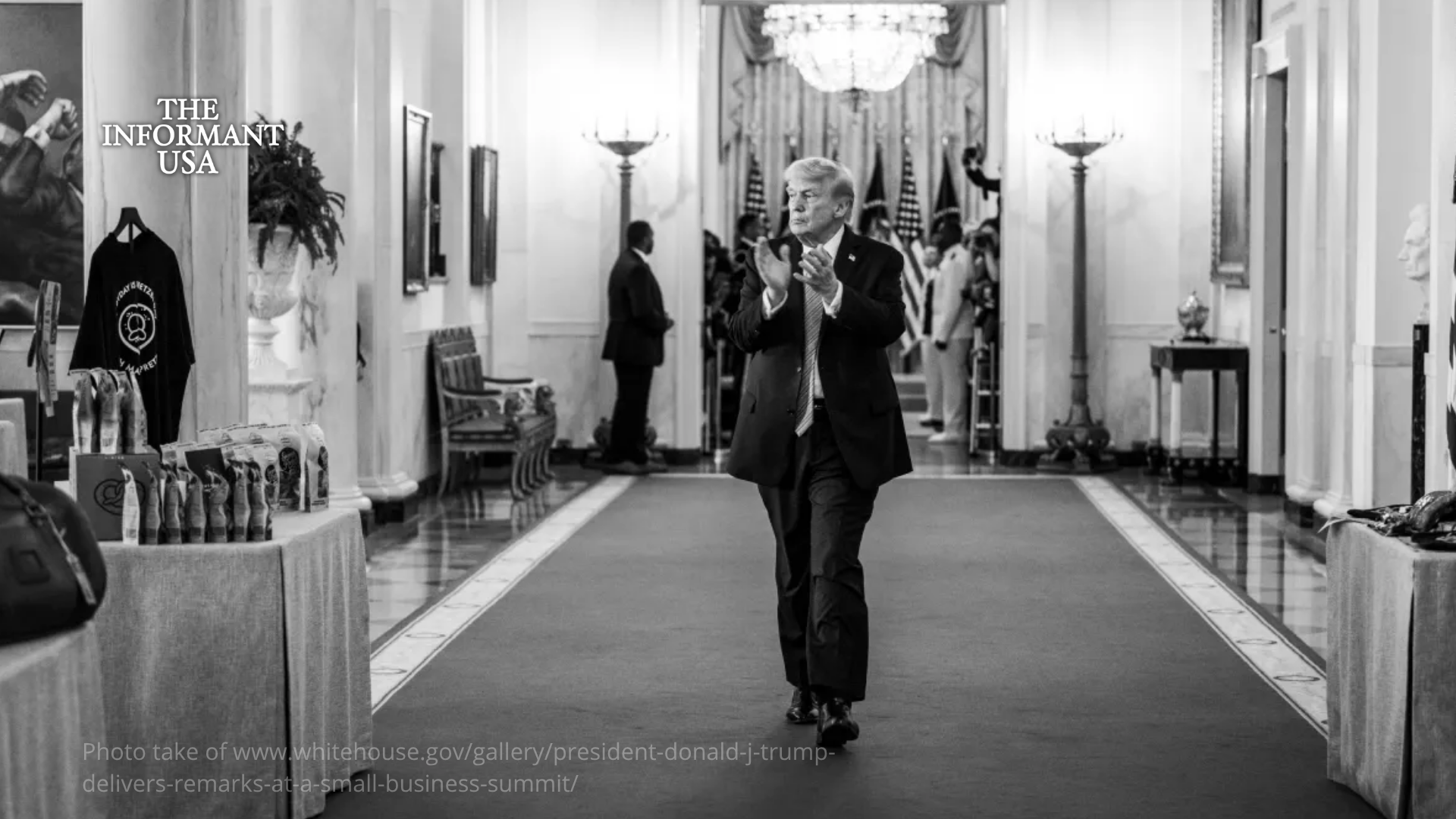
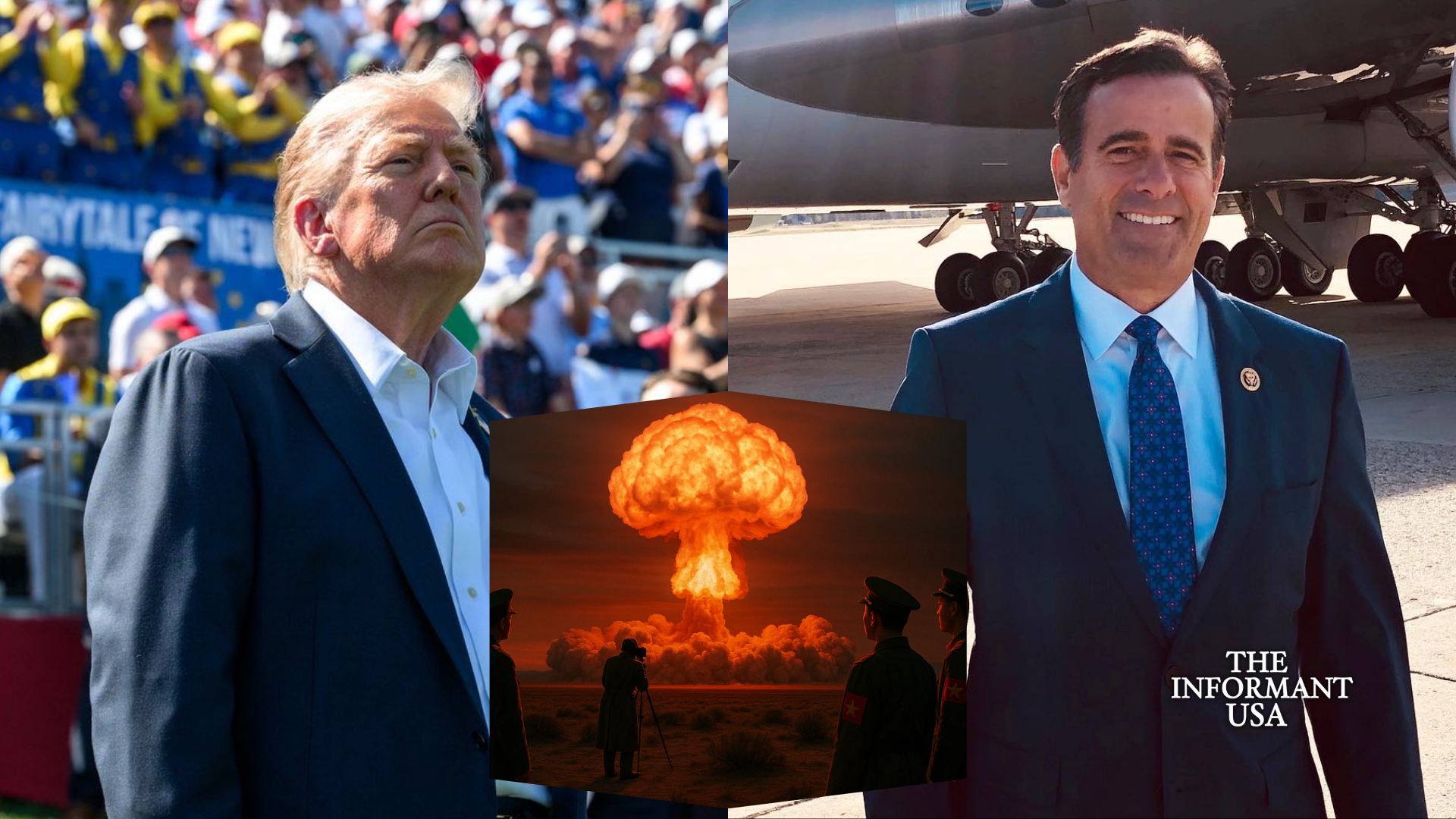
U.S. intelligence officials have confirmed that President Donald Trump’s claims regarding secret nuclear weapons testing by Russia and China are accurate, according to statements from CIA Director John Ratcliffe and Senate Intelligence Committee Chairman Tom Cotton.
“@realDonaldTrump is right,” Ratcliffe wrote on X Monday, citing intelligence assessments dating back to Trump’s first term that indicate both nations have violated the moratorium on nuclear explosive testing.
In a subsequent post, Senator Tom Cotton (R-Ark.) said he had been briefed by Ratcliffe and confirmed that the CIA assesses both Russia and China have conducted “super-critical” nuclear tests exceeding the U.S. zero-yield standard. “These tests are not historic,” Cotton added. “They are part of ongoing nuclear modernization programs.”
The statements come after Trump announced that he had ordered the Pentagon to resume U.S. nuclear testing, ending a voluntary moratorium observed since 1992. The last U.S. nuclear test took place underground at the Nevada Test Site more than three decades ago.
“Because of other countries’ testing programs, I have instructed the Department of War to start testing our nuclear weapons on an equal basis,” Trump wrote on Truth Social last Wednesday, adding that the process would “begin immediately.”
In an interview with CBS’s “60 Minutes” aired Sunday, Trump elaborated that his decision followed public and classified reports of renewed Russian and Chinese activity. “Russia is testing nuclear weapons, and China is testing them too — you just don’t know about it,” he told correspondent Norah O’Donnell.
If carried out, the move would mark the first U.S. nuclear test in more than three decades, potentially reshaping global arms control dynamics and reigniting debates over international non-proliferation commitments.
The U.S. Department of Defense has not yet confirmed details of when or how such tests might be conducted.