LEGISLATION MOVES TO HOUSE, BUT ACA FUNDING REMAINS A STICKING POINT
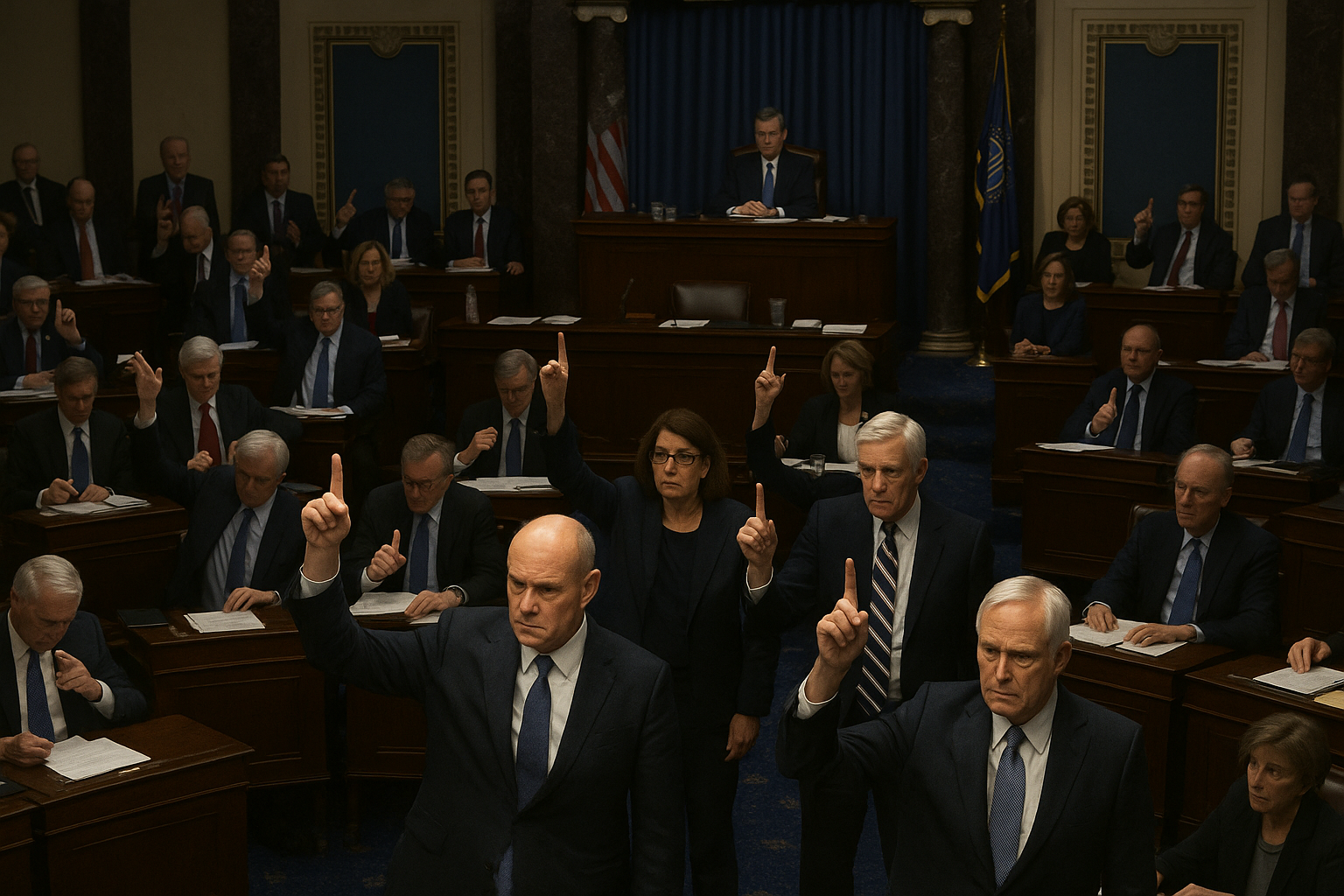
WASHINGTON, D.C. — November 11, 2025. After a grueling 41-day shutdown, the U.S. Senate has passed a bill to reopen the federal government, a critical breakthrough in one of the longest political standoffs in modern American history.
The measure, which passed with bipartisan support, now heads to the House of Representatives, where a vote is expected within hours. The bill would fund the government through January 30, 2026, giving Congress just a short window to negotiate a longer-term budget agreement.
However, the deal has not come without controversy. While it includes provisions to fund essential government services, it does not extend funding for the Affordable Care Act (ACA), which is set to expire soon. Progressives have criticized the lack of healthcare funding, calling it a “huge missed opportunity” in the fight for affordable healthcare.
“This bill is a temporary Band-Aid that leaves millions of Americans without the healthcare they need,” said Senator Elizabeth Warren (D-MA), a vocal critic of the deal. “We are sacrificing people’s access to life-saving care in exchange for a brief moment of political relief.”
Republicans, on the other hand, defended the bill as a “responsible restart.” Senate Minority Leader Mitch McConnell (R-KY) described the measure as a necessary step to “get federal employees back to work and restore essential services” while longer-term negotiations continue.
For millions of Americans, the shutdown has already taken a deep toll: Federal workers missed multiple paychecks, leading to financial strain for many. In addition, airports faced staffing shortages, leading to long delays and cancellations. Agencies like the National Park Service and the IRS had to scale back operations, hurting essential government functions.
Economists estimate that the total economic loss from the shutdown could reach billions of dollars in lost productivity and economic activity. “The shutdown has disrupted everyday life in ways we’ll feel for a long time,” said Dr. Anna Richter, an economist at the University of Chicago.
As the bill moves to the House, questions remain about what will happen next. While the temporary reopening offers a break, the debate over long-term funding and healthcare provisions is far from settled.