WALL STREET JOURNAL SAYS MADURO’S TOP ALLIES “WILL NOT INTERVENE” DESPITE ANTI-U.S. RHETORIC
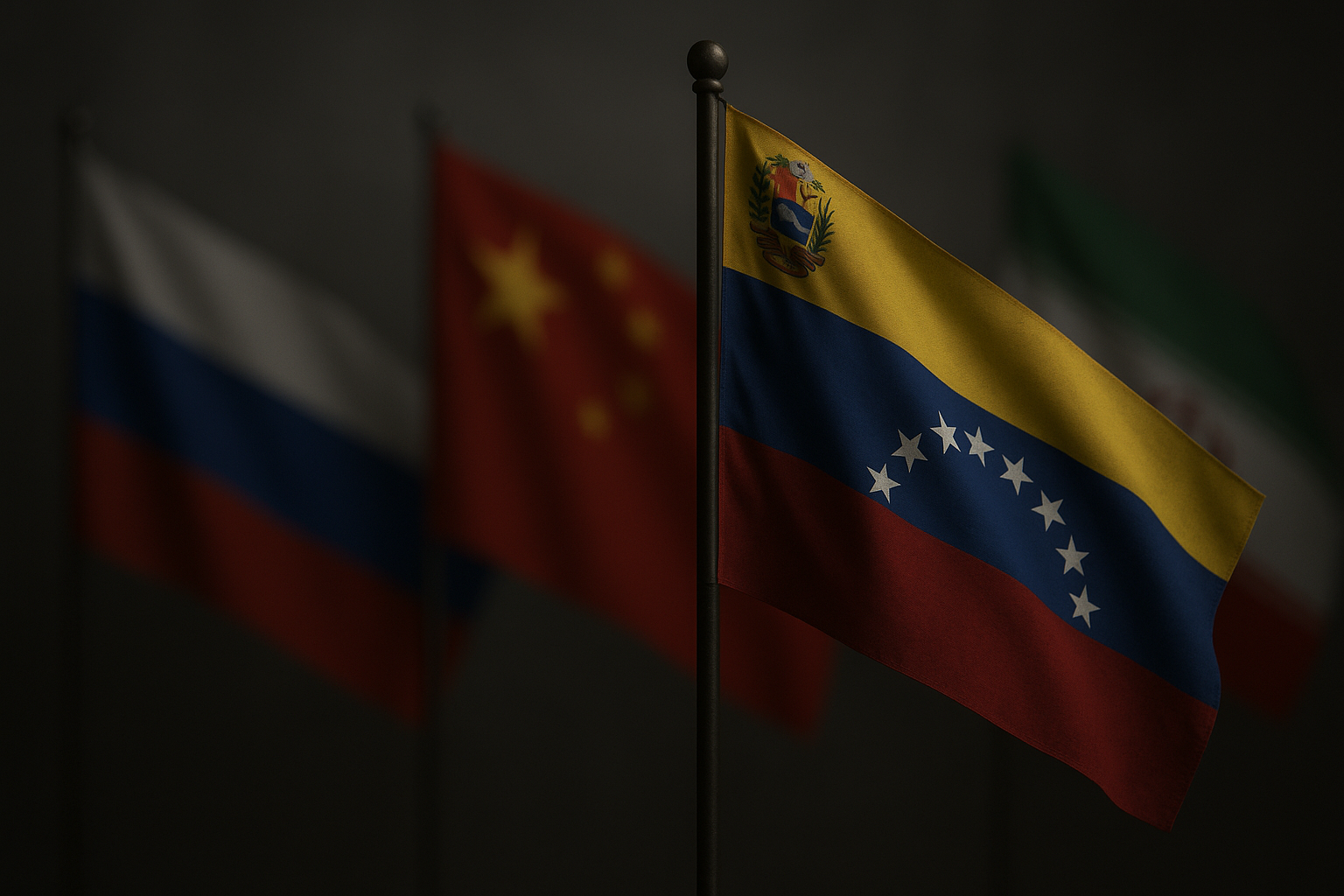
The Wall Street Journal reports that Venezuela has lost the support of its most powerful allies — Russia, China and Iran — all of whom have declined to intervene in its conflict with the United States.
A new report from The Wall Street Journal indicates that Venezuela has been left without backing from its three strongest geopolitical allies — Russia, China and Iran — despite escalating tensions with the United States. According to the report, the Maduro government expected full diplomatic or strategic support, but all three nations signaled they will not intervene.
The Journal states that Moscow, Beijing and Tehran have each reassessed their involvement in Venezuela’s political crisis, prioritizing their own strategic and economic interests. While they have maintained anti-U.S. rhetoric in global forums, none are prepared to take steps that could trigger confrontation with Washington.
Russia has historically been Caracas’ most vocal defender, providing loans, oil-sector support and military cooperation. But analysts say Moscow’s resources are stretched thin due to other geopolitical commitments, making deep engagement in Venezuela unlikely.
China, Venezuela’s largest creditor, has reportedly shifted toward a more cautious stance, focusing on protecting its financial interests rather than offering political backing. Beijing has avoided direct involvement in Venezuelan security issues and has urged negotiations rather than confrontation.
Iran, often aligned with Venezuela in anti-U.S. rhetoric, has also refrained from any direct intervention. Experts note that Tehran faces its own internal and regional pressures and is unlikely to risk escalation that could provoke additional sanctions.
The WSJ report suggests that Maduro’s isolation may grow as Venezuela’s internal crisis deepens, leaving the government with fewer international options at a time of heightened global scrutiny and economic instability.