MOVE SIGNALS END OF BALANCE-SHEET REDUCTIONS AS CENTRAL BANK ADJUSTS TO NEW ECONOMIC CONDITIONS
The Federal Reserve has officially ended its quantitative tightening program, concluding a multiyear effort to reduce its balance sheet amid evolving economic pressures.
The Federal Reserve announced today that it is officially ending quantitative tightening (QT), a major policy shift that halts the central bank’s long-running effort to shrink its balance sheet. QT, which began after years of post-pandemic stimulus, involved systematically reducing the Fed’s holdings of Treasury securities and mortgage-backed assets.
The decision reflects new economic conditions, including slowing inflation, weakening labor-market indicators, and increased volatility in global financial markets. By stopping QT, the Fed signals it may be preparing for a more accommodative stance, even as interest rates remain elevated.
Economists say ending QT could help stabilize liquidity across the banking system, particularly after months of pressure on regional banks and bond markets. With reserve levels becoming increasingly tight, the Fed faced growing calls from analysts to end balance-sheet reductions before they strained broader credit conditions.
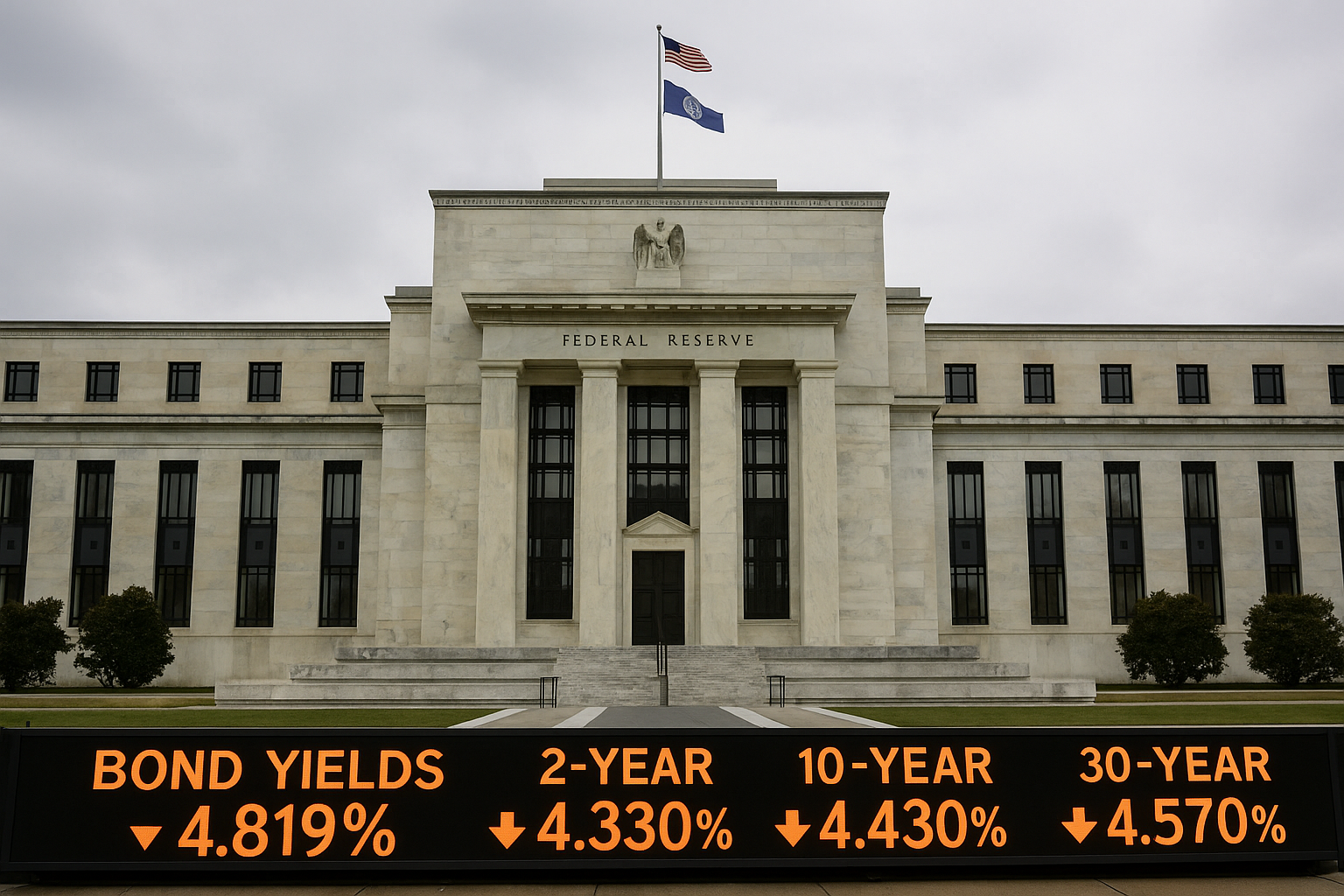
Market reaction was immediate, with Treasury yields dropping and stocks rising on expectations that the Fed may now have more room to pivot toward easing later this year. However, officials emphasized that the QT halt does not automatically indicate upcoming rate cuts.
The central bank’s balance sheet swelled to historic levels during the pandemic as it purchased trillions in assets to stabilize markets. QT was meant to gradually unwind this buildup, but the program will now end with the balance sheet still well above pre-2020 levels.
The Fed will release updated balance-sheet projections and policy guidance in its next scheduled meeting.