STATEMENT SUGGESTS SWEEPING TAX POLICY OVERHAUL, THOUGH DETAILS REMAIN UNCLEAR
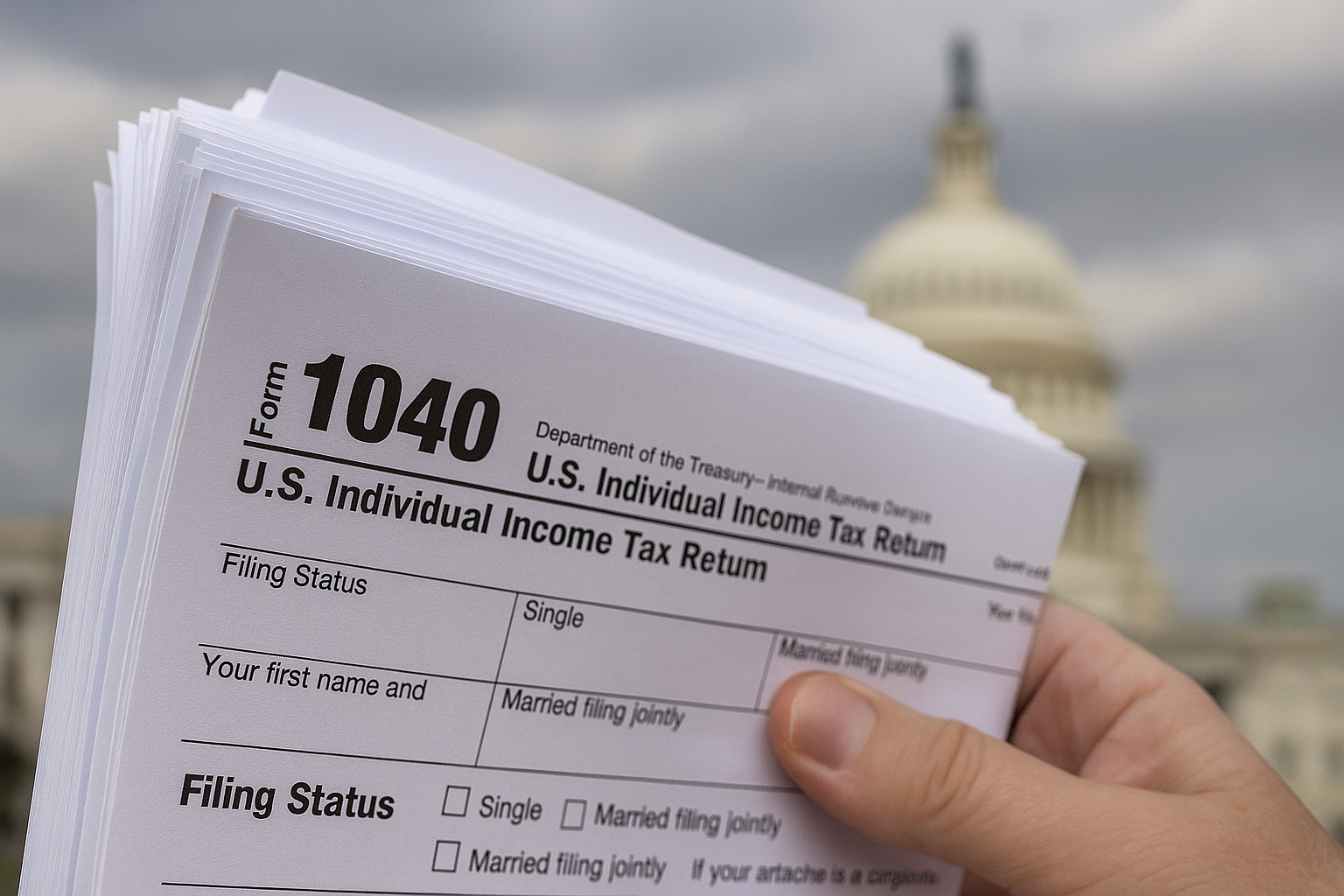
President Trump stated that he believes the income tax will eventually be abolished for most people, signaling potential major changes in U.S. tax policy.
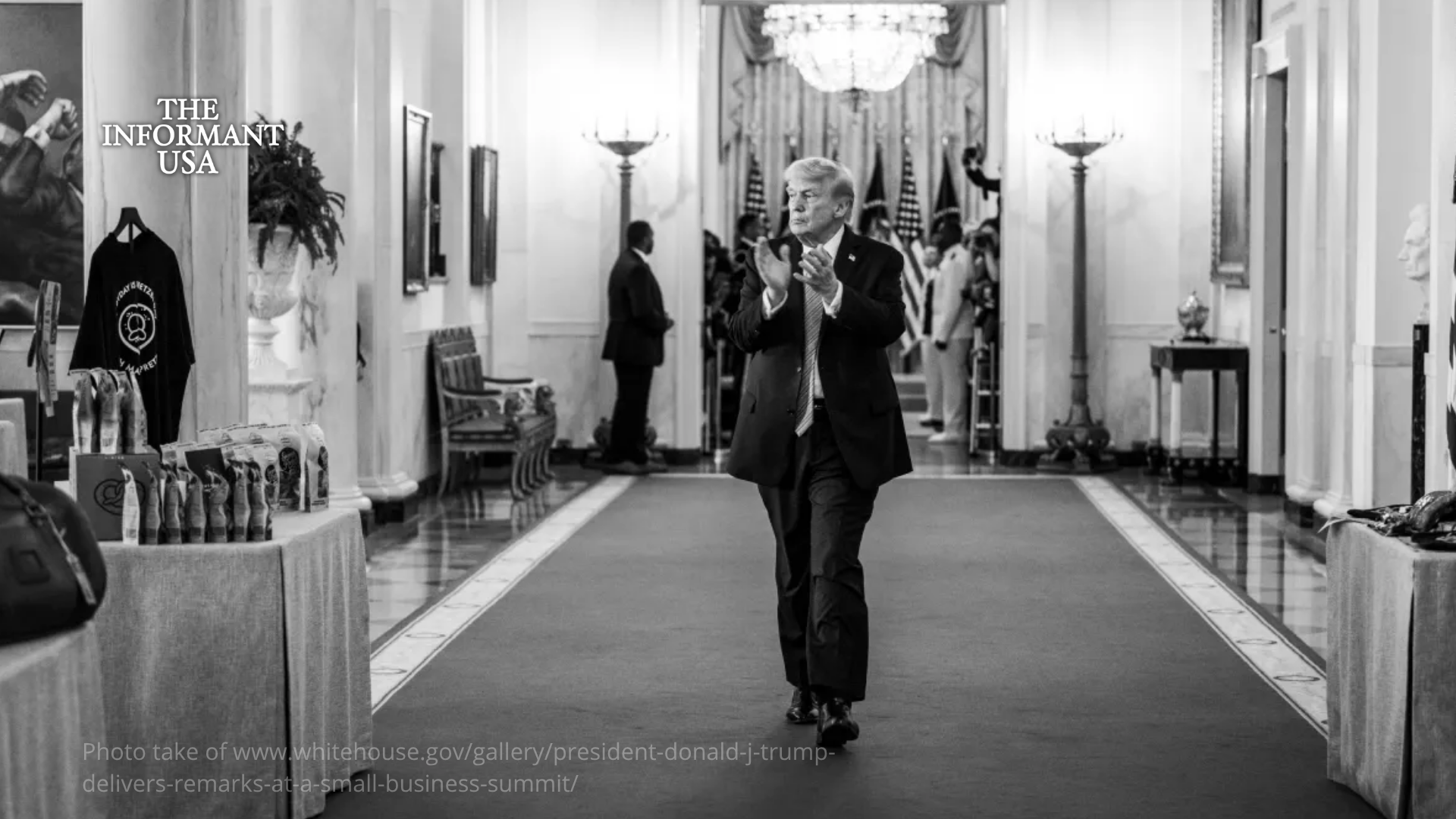
President Donald Trump said during remarks on Monday that he believes the federal income tax will be abolished for most Americans, hinting at sweeping tax reforms that could redefine how the U.S. government generates revenue. While he did not offer details or a formal proposal, the statement immediately sparked political debate and economic speculation.
The federal income tax currently accounts for a significant portion of U.S. government funding, and eliminating it would require substantial restructuring of federal revenue systems. Economists note that such a shift could involve expanding national sales taxes, introducing consumption-based systems, or dramatically reshaping federal spending priorities.
Trump’s comments come as part of broader messaging around economic growth, inflation relief, and tax burdens facing working families. His administration has argued that Americans are overtaxed and that alternative revenue models could stimulate economic activity and simplify the tax system.
Critics say eliminating income tax for most people would disproportionately benefit higher earners and could increase deficits unless replaced with alternative taxes. Supporters argue that a streamlined, consumption-based system could be fairer and less intrusive.
Congress would ultimately need to approve any tax overhaul, and researchers warn that replacing the income tax would be one of the largest fiscal transformations in U.S. history. As of now, no detailed policy plan has been released.
The White House has not provided additional clarification, and analysts expect more information in upcoming economic policy briefings.