The European Union issues its first-ever sanction under the Digital Services Act, prompting sharp criticism from the Trump administration, which says Europe is targeting U.S. tech platforms.
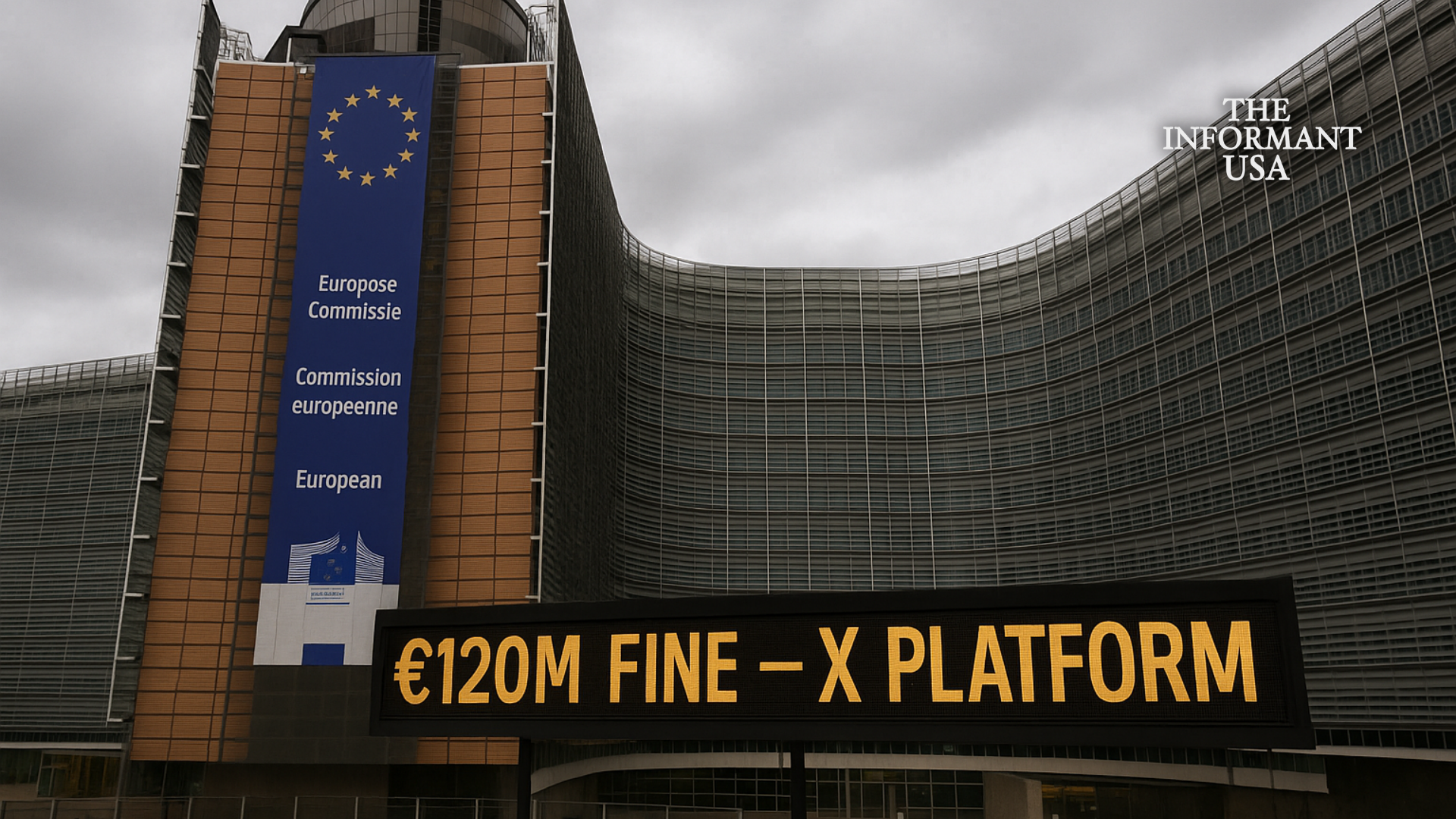
The European Union on Friday fined Elon Musk’s social media company X a record €120 million ($140 million) for violating the bloc’s Digital Services Act (DSA) — marking the first major penalty under the sweeping online-content law.
The sanction follows a two-year investigation into X’s handling of illegal and harmful content, transparency obligations, and ad-repository requirements.
EU tech chief Henna Virkkunen said the penalty was proportionate and insisted the ruling had “nothing to do with censorship.”
“If you comply with our rules, you don’t get the fine. And it’s as simple as that,” Virkkunen said.
Meanwhile, rival TikTok avoided penalties after offering concessions to address its DSA violations.
WHAT THE EU SAYS X DID WRONG
The European Commission said X failed to meet multiple DSA obligations requiring large platforms to:
- Act faster against illegal or harmful content
- Provide transparent advertising repositories
- Give researchers access to disinformation-related data
- Implement risk-mitigation governance
The case against TikTok, launched in May, similarly involved failures to provide a public ad library to detect scam advertising — but the platform made corrections before sanctions were issued.
Upcoming enforcement actions for other companies, including Meta and Temu, are expected to move faster, Virkkunen added.
U.S. GOVERNMENT SLAMS THE FINE AS “ANTI-AMERICAN”
The Trump administration reacted fiercely.
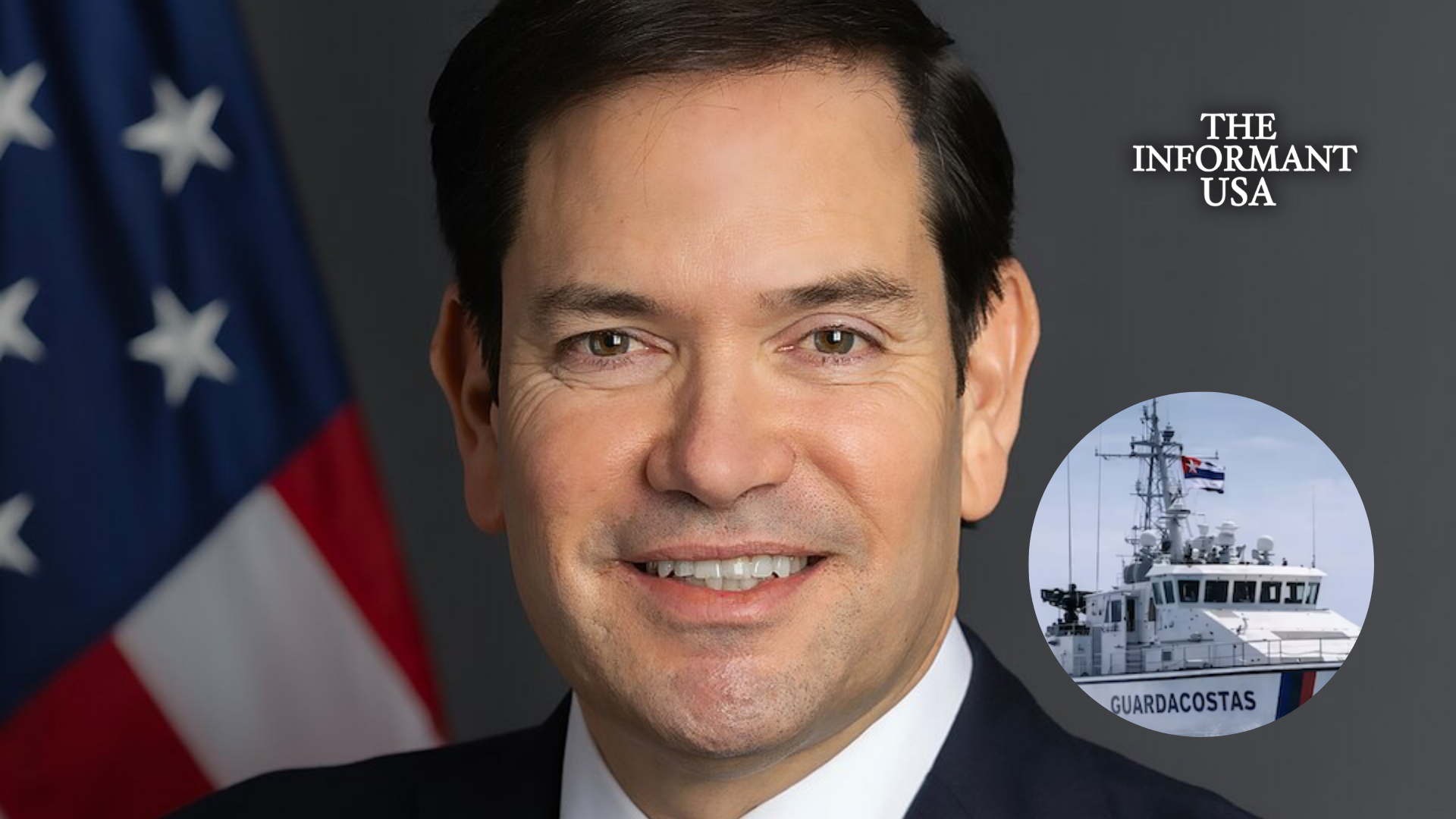
Secretary of State Marco Rubio wrote on X:
“This isn’t just an attack on @X, it’s an attack on all American tech platforms and the American people by foreign governments.”
FCC Chairman Brendan Carr also accused the EU of punishing X for “being a successful U.S. tech company.”
Vice President JD Vance weighed in before the decision:
“The EU should be supporting free speech, not attacking American companies over garbage.”
The State Department said Europe is unfairly singling out American platforms under the guise of regulation.
The EU denies this, arguing its laws apply equally regardless of nationality.
TENSIONS RISE BETWEEN WASHINGTON & BRUSSELS
This episode adds to growing friction between the U.S. and EU over tech governance, data security, and speech regulations — with Europe pursuing aggressive enforcement while Washington increasingly frames those actions as ideological or political.
X now has 60–90 business days to propose corrective measures depending on the specific violation.
The platform did not respond to requests for comment.