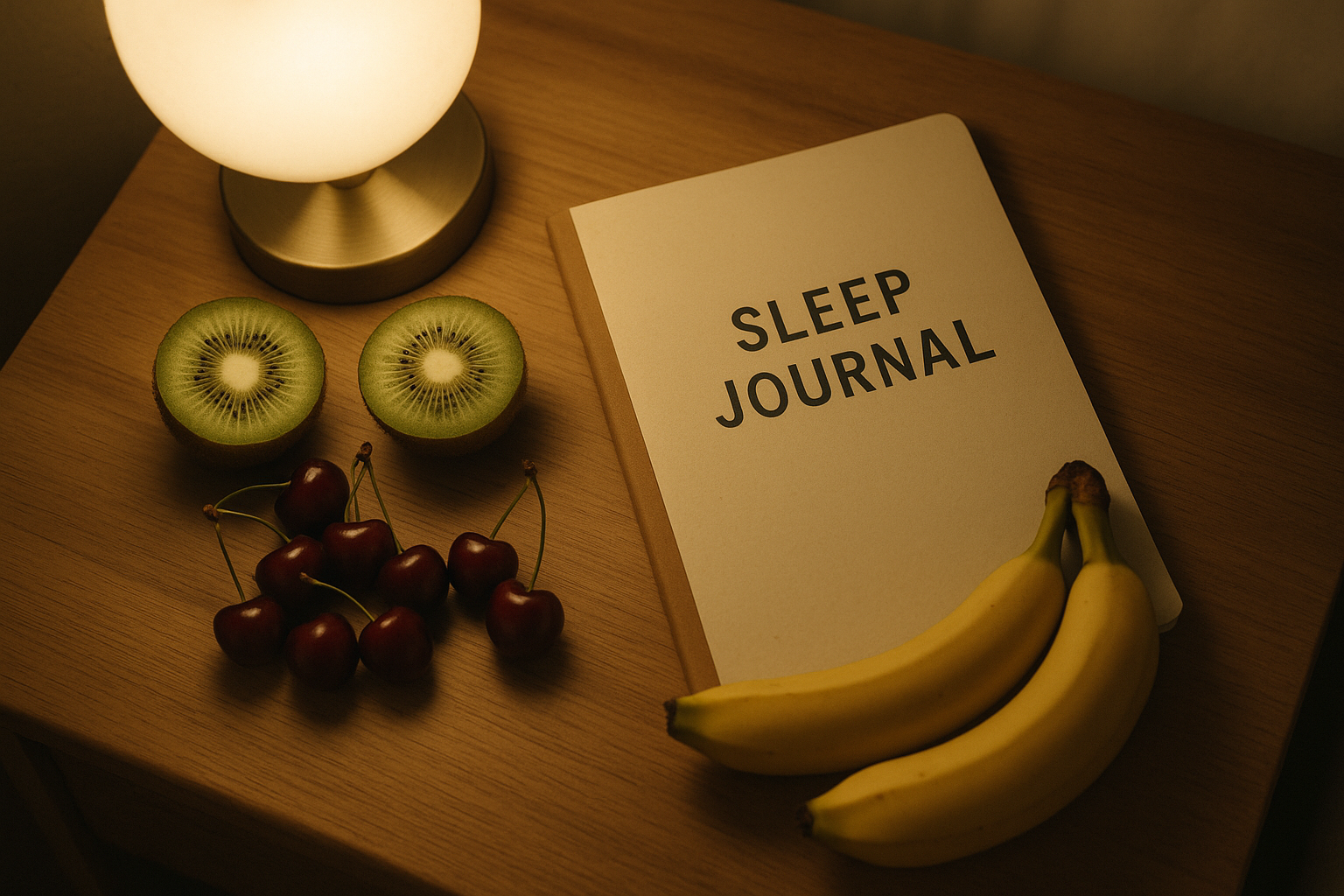
KIWI, CHERRIES AND BANANAS CONTAIN NUTRIENTS ASSOCIATED WITH CIRCADIAN RHYTHM REGULATION AND NERVOUS-SYSTEM RELAXATION
A review of expert commentary and international studies highlights kiwi, cherries and bananas as fruits with nutrients associated with improved sleep quality.
Health experts from the Cleveland Clinic and the Spanish Nutrition Foundation have identified three fruits — kiwi, cherries and bananas — as potentially helpful for individuals seeking to improve sleep quality. Their recommendations are based on published research showing that these fruits contain nutrients tied to circadian rhythm regulation and nighttime relaxation.
According to these experts, cherries and especially tart cherries naturally contain melatonin, a hormone that helps signal the body when to sleep. Kiwis have been noted in several studies for their content of serotonin and antioxidants, which researchers say may help support better sleep onset and continuity.
Bananas, meanwhile, provide magnesium, vitamin B6 and tryptophan, nutrients associated with nervous-system relaxation and the maintenance of stable sleep cycles. Although the research stops short of claiming these fruits treat sleep disorders, studies suggest they may support deeper and more restorative rest compared to diets low in these compounds.
International studies reviewing dietary patterns and sleep quality have observed improvements among participants who incorporated these fruits into their evening routines. Researchers emphasize, however, that results vary by individual and that overall sleep hygiene, lifestyle factors and medical conditions remain key determinants of sleep health.
Experts say these findings may be especially relevant in regions with high rates of stress, irregular sleep schedules or chronic inflammation, as nutrient-rich foods could complement broader wellness strategies. They stress that these fruits should not replace clinical evaluation for sleep disorders, but may serve as part of a supportive dietary approach.
Further studies are underway to better understand how natural sources of melatonin, serotonin and antioxidants contribute to human sleep biology.