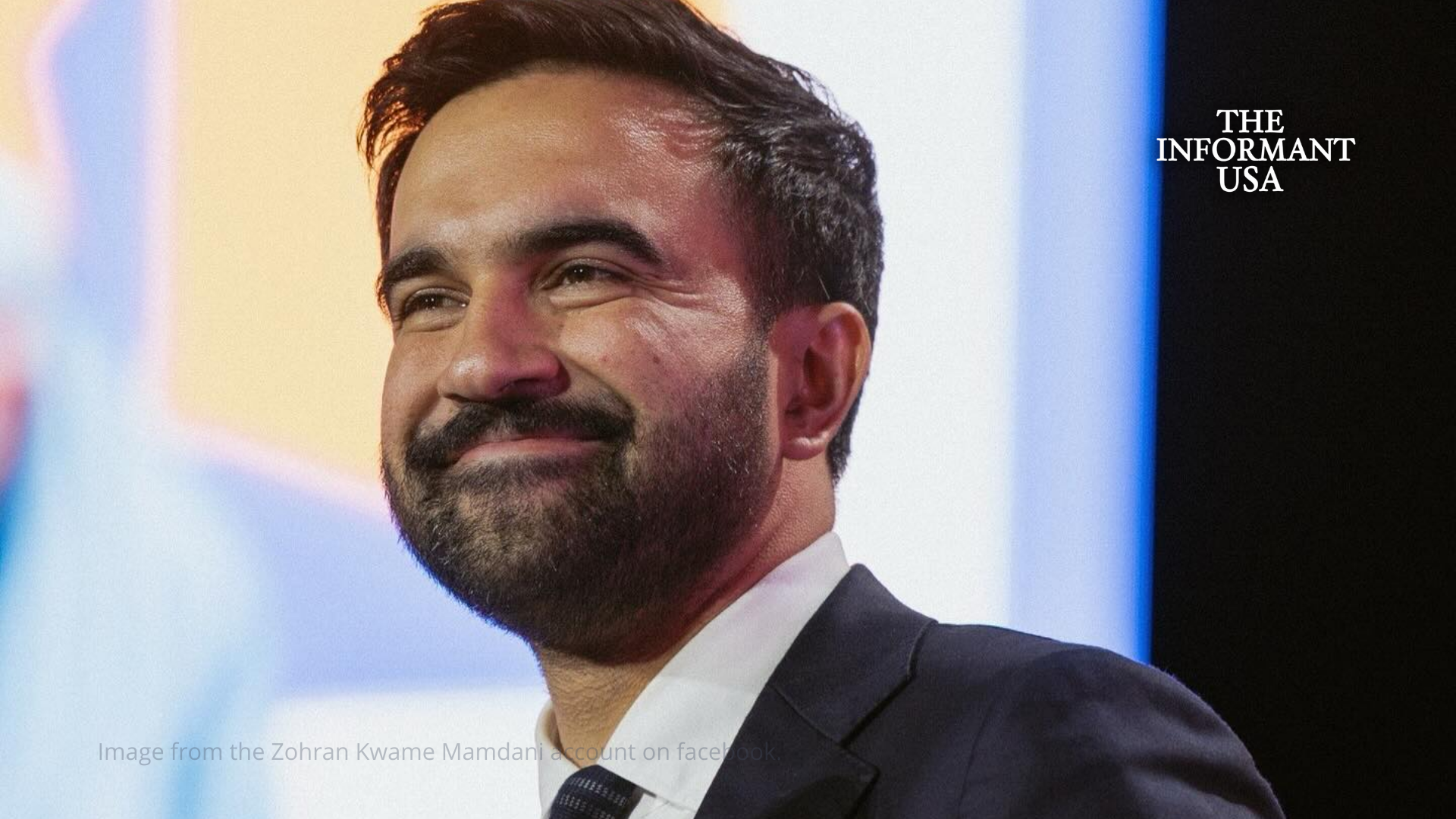
The incoming mayor says the move will allow him to focus fully on his affordability agenda as criticism continues over his long-held rent-stabilized apartment.
Mayor-elect Zohran Mamdani announced Monday that he and his wife, Rama Duwaji, will move into Gracie Mansion following his January inauguration — ending years of speculation and closing the chapter on his controversial rent-stabilized Astoria apartment.
Mamdani, who has lived in a $2,300 one-bedroom unit in Queens despite earning a six-figure salary as a state assemblyman, said the decision was driven primarily by family safety.
“My wife Rama and I have made the decision to move into Gracie Mansion in January. This decision came down to our family’s safety and the importance of dedicating all of my focus on enacting the affordability agenda New Yorkers voted for.”
His spokesperson confirmed that Mamdani will give up the apartment entirely and will not sublet it.
A RENT-STABILIZED FLASHPOINT DURING THE CAMPAIGN
Throughout the mayoral race, Mamdani faced criticism for living in a rent-stabilized unit — a coveted and limited housing resource — despite coming from a prominent family and earning well above the average Queens household income.
Independent candidate Andrew Cuomo accused him of misusing the system, saying the unit should have gone to a lower-income tenant.
Mamdani, son of filmmaker Mira Nair and Columbia professor Mahmood Mamdani, said he did not know the apartment was rent-stabilized when he moved in during 2020, when he was earning $47,000 annually.
“ASTORIA WILL ALWAYS LIVE INSIDE ME”
In an emotional message to constituents, Mamdani said leaving Queens would be bittersweet:
“Cooking dinner side by side in our kitchen, sharing a sleepy elevator ride with our neighbors, hearing music and laughter vibrate through the walls… we will miss it all.”
He promised to remain grounded in the neighborhood that shaped his politics:
“While I may no longer live in Astoria, Astoria will always live inside me and the work I do.”
The mayor-elect highlighted the resilience of the community during the pandemic, anti-immigrant attacks, and the ongoing affordability crisis.