WHITE HOUSE SAYS PLAN WILL SUPPORT PRODUCERS IMPACTED BY MARKET VOLATILITY AND TRADE PRESSURES
President Trump has introduced a $12B bailout plan for U.S. farmers, proposing tariff revenue as the funding source to support struggling rural communities.
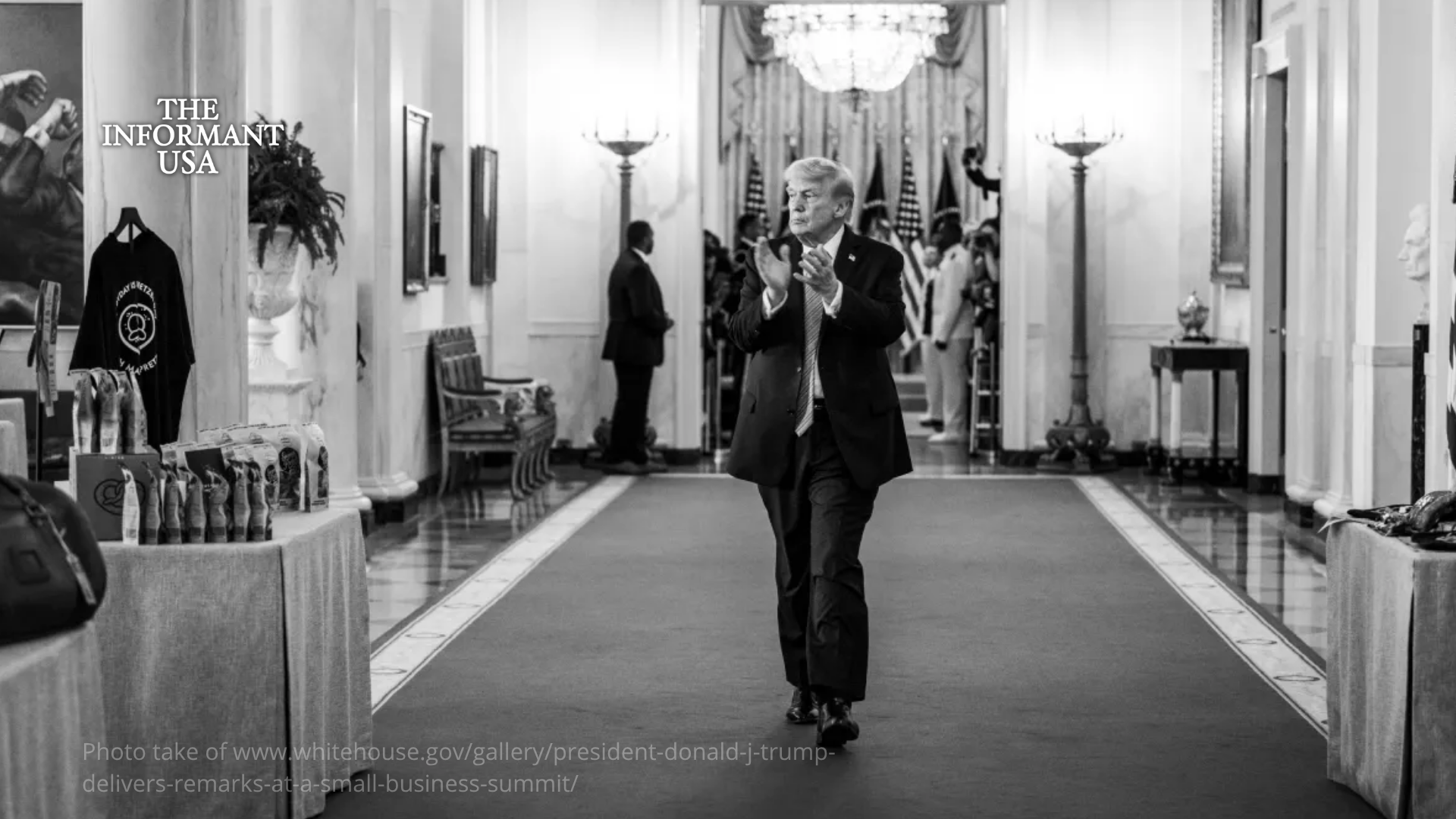
President Donald Trump has unveiled a $12 billion bailout program intended to provide economic relief for U.S. farmers facing lower commodity prices, trade uncertainty and rising operational costs. The White House says the package will be funded through tariff-generated revenue, framing the move as a way to reinvest trade-income back into rural America.
According to administration officials, the bailout aims to help stabilize agricultural producers who continue to experience market disruptions linked to global supply-chain shifts, foreign retaliatory tariffs and fluctuating export demand. The plan includes direct assistance, expanded loan programs and targeted relief for sectors most exposed to international price swings.
Economists say the proposal underscores the central role farmers play in regional economies, with many rural communities depending heavily on crop and livestock markets. While tariff revenue can offset federal support for a period of time, experts caution that long-term reliance on trade duties for domestic aid carries financial and geopolitical risks.
Supporters of the plan say the $12B injection offers timely relief for producers navigating an unstable market environment. Critics, however, argue that bailouts mask deeper structural issues in the agricultural sector and warn that continued tariff escalation could amplify volatility.
Agricultural groups have responded with guarded optimism, saying the funding may help ease short-term pressures but urging policymakers to establish long-term trade stability and infrastructure support.
The Department of Agriculture is expected to release additional program details, eligibility rules and payment timelines in the coming weeks.