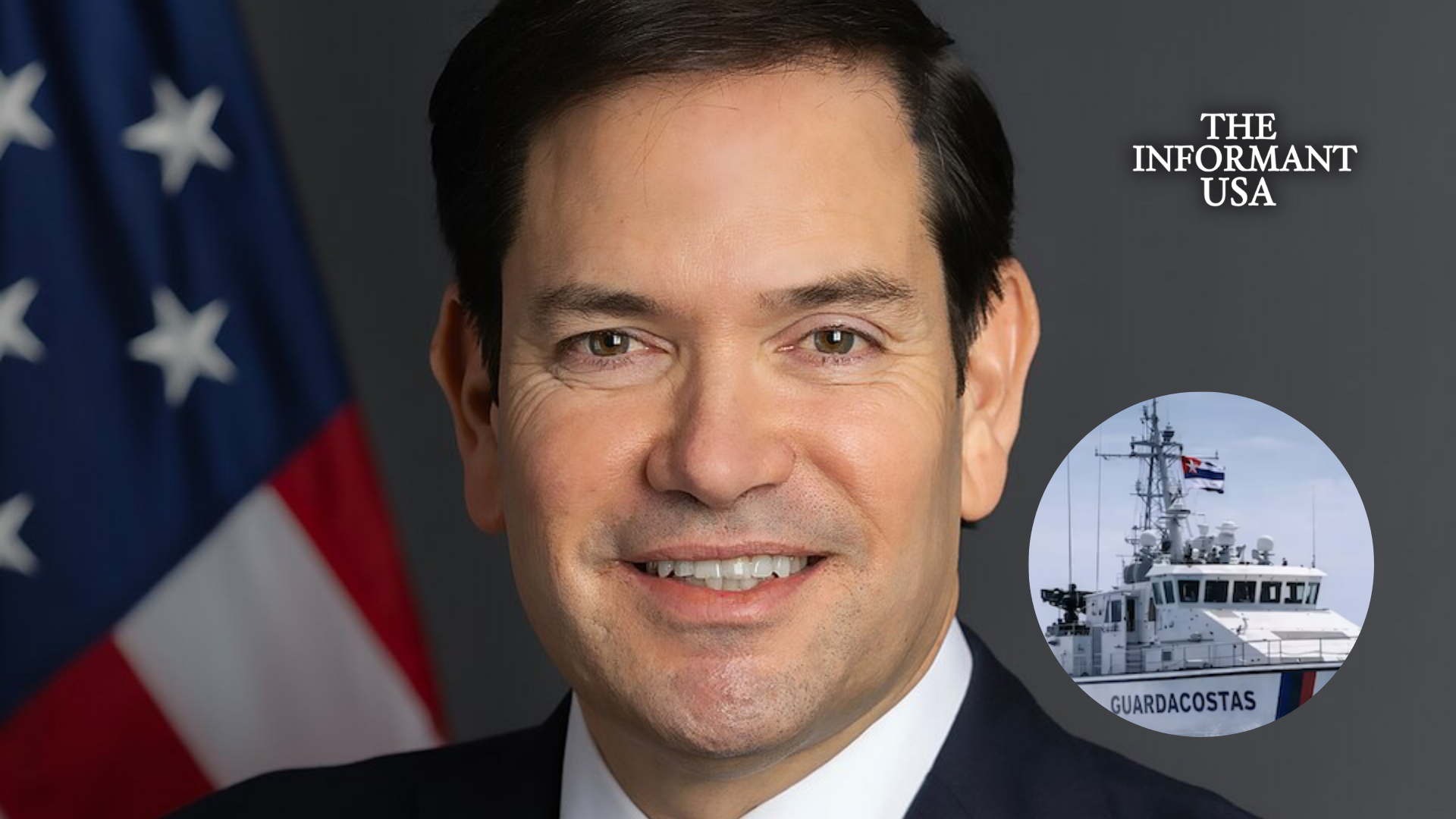
The officially nonpartisan election has become a nationally watched showdown as Trump endorses Emilio González, energizing GOP voters while mobilizing Democratic opposition in a majority-Latino city.
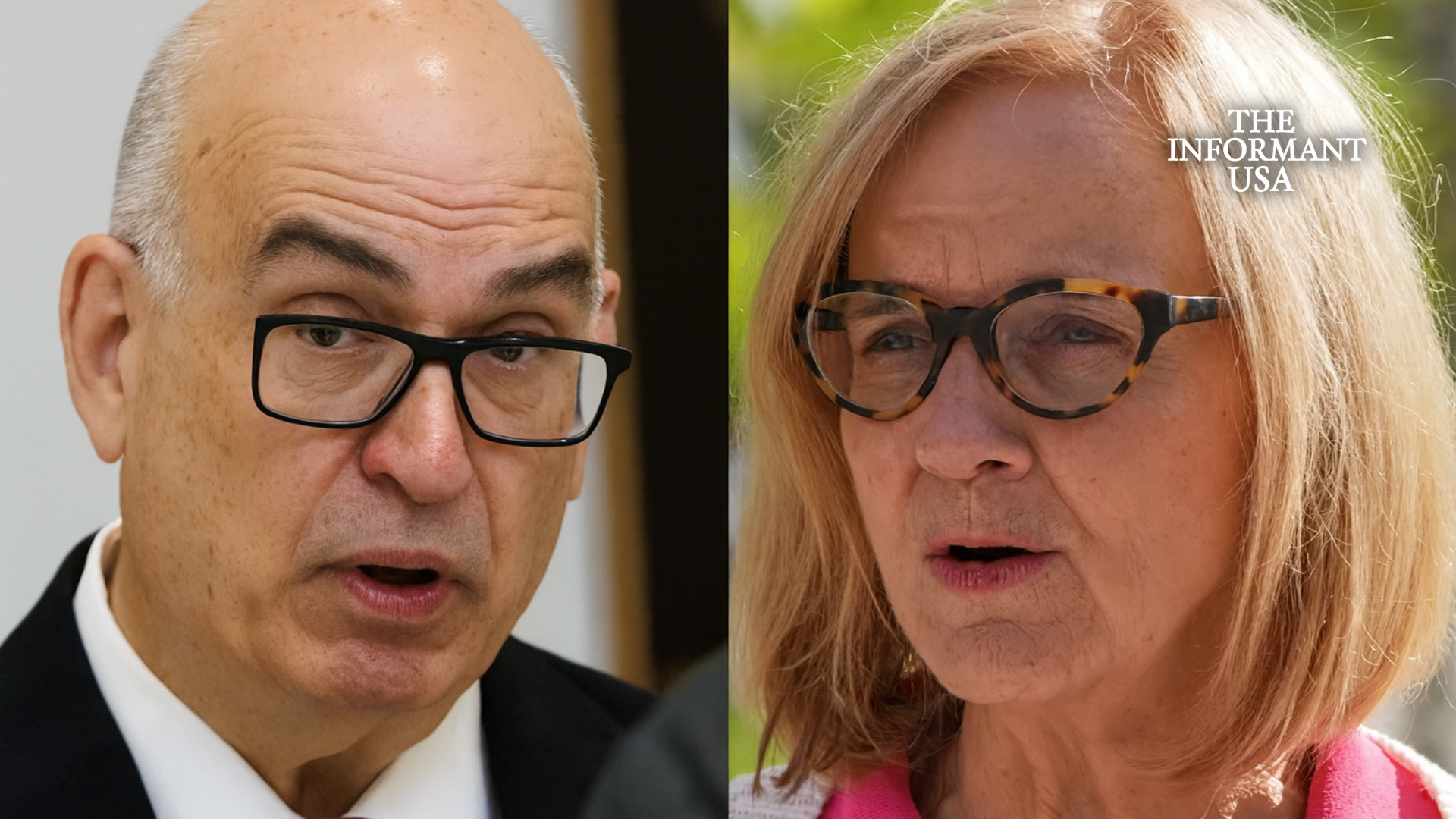
Miami’s mayoral runoff — formally a nonpartisan election — has transformed into a proxy battle over President Donald Trump’s agenda, pitting Democratic county commissioner Eileen Higgins against Republican and former DHS deputy Emilio González, in what analysts describe as a rare local race with national implications.
Higgins led the first round in November with 36%, while González secured 19.5%, setting up a runoff now shaped heavily by Trump’s direct intervention.
“This is supposedly a nonpartisan election, but that’s the biggest myth,” said Eduardo Gamarra, political scientist and director of the Latino Public Opinion Forum at Florida International University.
“González is such a Trump loyalist that the president himself endorsed him — extremely unusual for a local race.”
Gamarra confirmed that both national Democratic and Republican committees have activated resources in the contest, treating Miami as a testing ground ahead of the 2026 midterms.
TRUMP’S ENDORSEMENT REDEFINES THE RACE
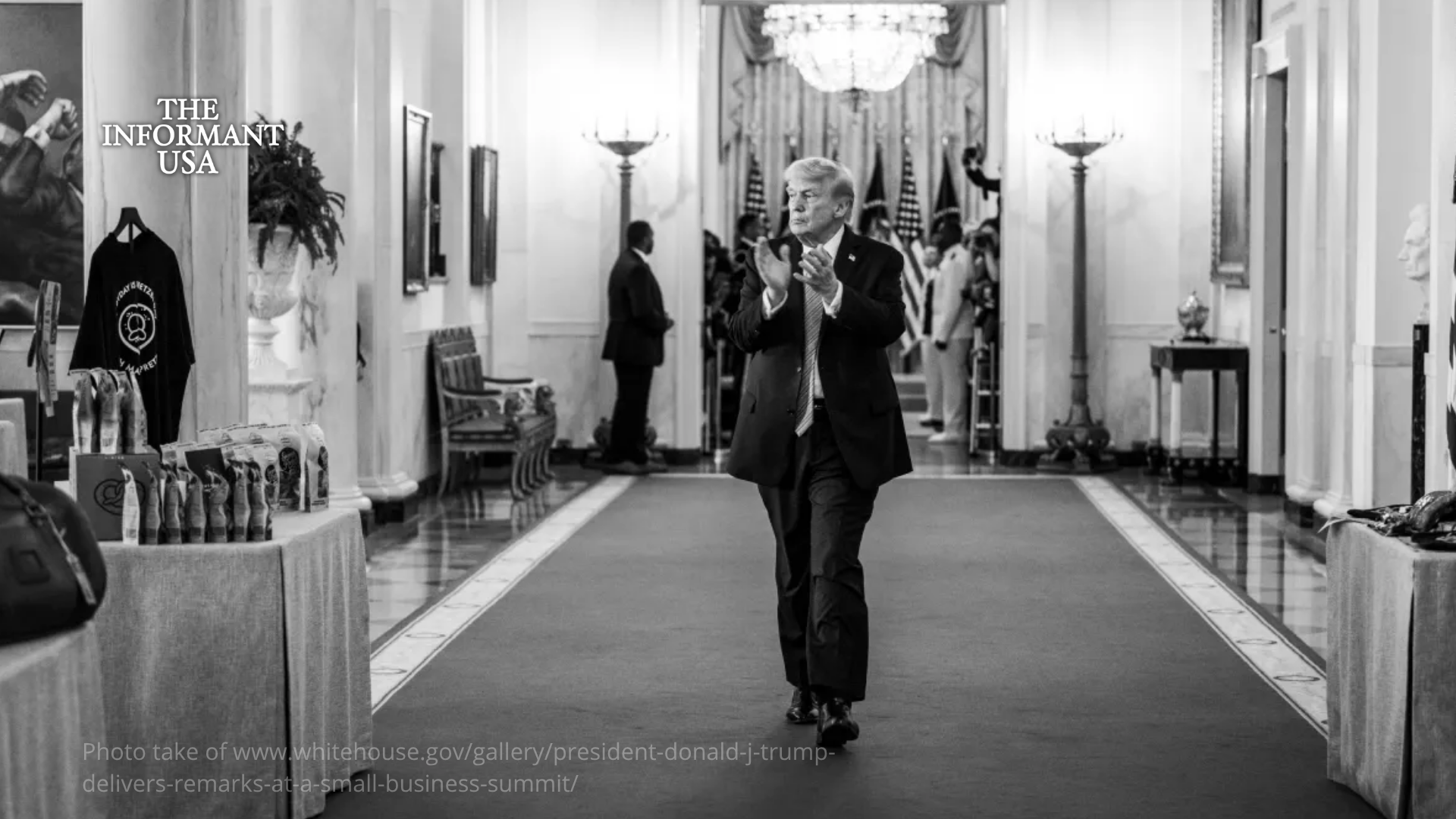
When Trump endorsed González — a Havana-born former city manager, Miami International Airport CEO, and Bush-era DHS official — he highlighted:
“A lifetime of service to his community… a successful businessman, civic leader, and public administrator.”
Analysts say Trump’s endorsement:
✔️ Energizes GOP voters, especially Cuban-Americans
✔️ Attracts out-of-state Republican fundraising
✔️ Forces Democrats to mobilize to avoid a symbolic defeat
✔️ Risks alienating moderates who dislike national interference
Gamarra put it bluntly:
“This election became a referendum on Trump.”
SURGING TURNOUT IN A CITY OF LATINOS
Despite historically low participation in Miami municipal races, turnout in November rose over 35% compared to 2021 — though still under 40,000 votes, roughly 20% of registered voters.
Miami’s electorate is 70% Latino, with:
- 61,000 registered Democrats
- 53,000 registered Republicans
- 55,000 independents
“The Latino vote cannot be viewed as a monolith,” said Gamarra. “Different waves of immigration have created distinct political subgroups with different priorities.”
Key issues for Latino voters include:
- Immigration enforcement
- Public services
- Housing affordability
- Crime and local corruption
HOW HIGGINS COULD WIN
Gamarra believes Higgins’ path to victory depends on:
✔️ Consolidation of Black, White, and non-Cuban Latino voters
✔️ Anxiety over Trump’s immigration policies
✔️ Democratic discipline reminiscent of past coalition politics
He argues that the “old Democratic coalition” may be re-emerging in Miami.
HOW GONZÁLEZ COULD WIN
González is leaning heavily on:
✔️ The Cuban vote, historically high-turnout
✔️ Anti-socialist messaging
✔️ Trump’s personal endorsement
However, his attacks on “communism” and warnings about “another Mamdani” (referring to NYC’s mayor-elect) were undermined when Trump himself met with Zohran Mamdani, complicating the narrative.
Still, Sebastián Arcos, interim director of FIU’s Cuban Research Institute, says the Cuban vote remains crucial:
“Cuban turnout is always high. If anything, González’s background makes that even more likely.”
Arcos notes Miami-Dade — once a Democratic stronghold — is now fundamentally Republican, with Trump beating Kamala Harris there by 13 points in 2024.
GEOPOLITICS AS WILD CARD: WILL VENEZUELA SWING THE RACE?
Both analysts warned that an unexpected move by Trump — such as a military strike on Venezuela — could reshape the race days before voting.
Many Venezuelans in Miami support Trump’s hardline stance.
Republican state Rep. Juan Carlos Porras said on X:
“If President Trump liberates Venezuela, Republicans will win Miami-Dade and Florida for another decade.”
THE BROADER CONTEXT: TRUMP’S LOWEST APPROVAL POINT
The runoff coincides with Trump’s lowest national approval rating of his second term.
Among Latinos nationwide, Pew Research Center finds:
- 70% disapprove of Trump’s presidency
- 65% disapprove of his immigration policies
- 61% say his economic measures worsened their finances
Arcos says Florida’s Cuban community may be an outlier, showing no significant drop in support.