THE STREAMING GIANT IS RESTRUCTURING DEVICE-INTEGRATION FEATURES AS IT PRIORITIZES PERFORMANCE, SECURITY AND NEW INTERACTIVE TOOLS
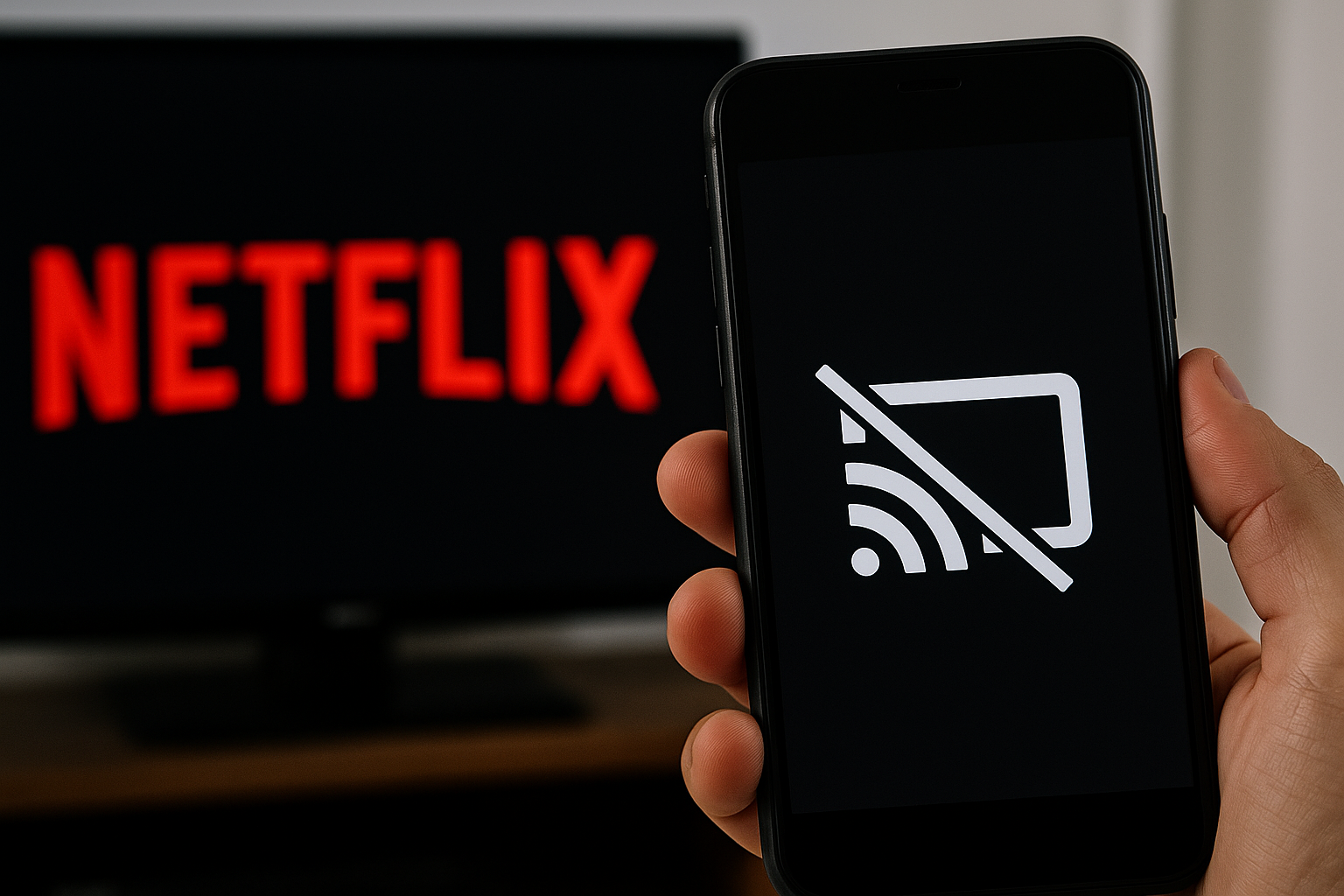
Netflix has removed its “Casting Support” function, explaining that the feature no longer fits its updated streaming and device-integration strategy.
Netflix has quietly confirmed it is discontinuing “Casting Support,” a feature that allowed users to troubleshoot and stabilize connections when casting movies or series to external screens. The tool served as a bridge between phones, tablets, smart TVs and third-party casting devices, helping users reconnect streams or fix compatibility issues.
According to Netflix, the feature is being removed as part of a broader effort to streamline the app and focus resources on performance upgrades, new UI features, and expanded device-native integrations. Internally, the company concluded that Casting Support had become redundant as most devices now rely on standardized casting protocols from Google, Apple and TV manufacturers.
Industry analysts note that Netflix’s shift reflects a wider trend: large streaming platforms are reinforcing built-in casting methods rather than maintaining their own troubleshooting suites. They also point to increased emphasis on account security, password-sharing enforcement and network-based authentication, all of which influence how casting technology operates.
Some users expressed frustration at the removal, noting that Casting Support was helpful for resolving playback issues on older smart TVs. Others said they had not used the feature in years, as device ecosystems have become more stable.
Netflix says it will continue supporting traditional casting via Chromecast, AirPlay and native TV apps, and emphasizes that the removal of Casting Support does not affect the ability to watch content on external screens. Instead, the company described the move as part of a long-term optimization plan.
More feature changes are expected throughout 2025 as Netflix continues evolving its multi-device experience.