HIGHER YIELDS, ECONOMIC RESILIENCE AND STRONG ENERGY-REVENUE BUFFERS MAKE GULF BONDS INCREASINGLY ATTRACTIVE
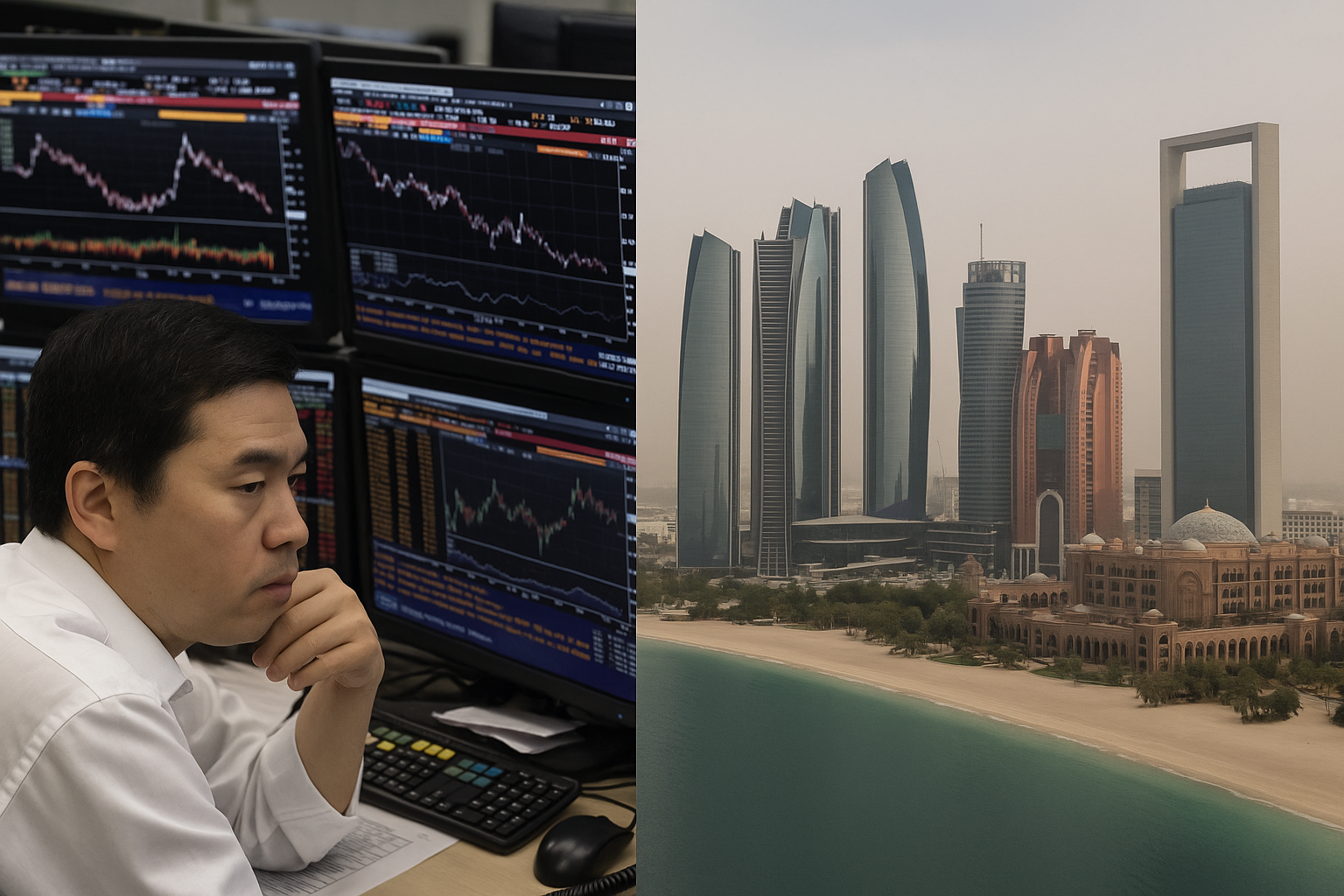
Asian investors are buying more Gulf-region debt as they search for yield and stability during a period of global market uncertainty.
Asian investors are increasingly turning to Gulf-region debt markets, drawn by stronger yields, defensive fiscal positions and diversified growth prospects across countries such as Saudi Arabia, the UAE and Qatar. The shift reflects a broader rebalancing of global capital as uncertainty continues to weigh on U.S., European and Asian bond markets.
Analysts say demand from Asia has risen sharply in recent months, with institutional buyers eyeing Gulf sovereign and corporate bonds backed by robust energy revenues and ambitious economic-diversification programs. These factors have helped Gulf issuers maintain resilience amidst global macroeconomic pressures.
Gulf bonds have also benefited from relatively stable inflation, strong currency pegs to the U.S. dollar and large sovereign-wealth buffers that reassure yield-seeking investors. By comparison, many Asian markets are still navigating volatile interest-rate cycles and geopolitical risks that have dampened appetite for local debt.
Market strategists highlight that Asian investors view Gulf debt as a balanced risk–reward play, offering higher yields than developed markets while avoiding the elevated instability seen in some emerging regions. The surge in demand has prompted several Gulf issuers to expand their borrowing programs to accommodate foreign inflows.
Financial institutions across Asia — including pension funds, insurers and asset managers — are reportedly increasing allocations to Gulf fixed-income products, with some considering long-term strategic positions.
Despite the strong momentum, analysts caution that global market conditions could still shift suddenly, especially as U.S. monetary-policy uncertainty and oil-price fluctuations remain key variables for Gulf-region performance.