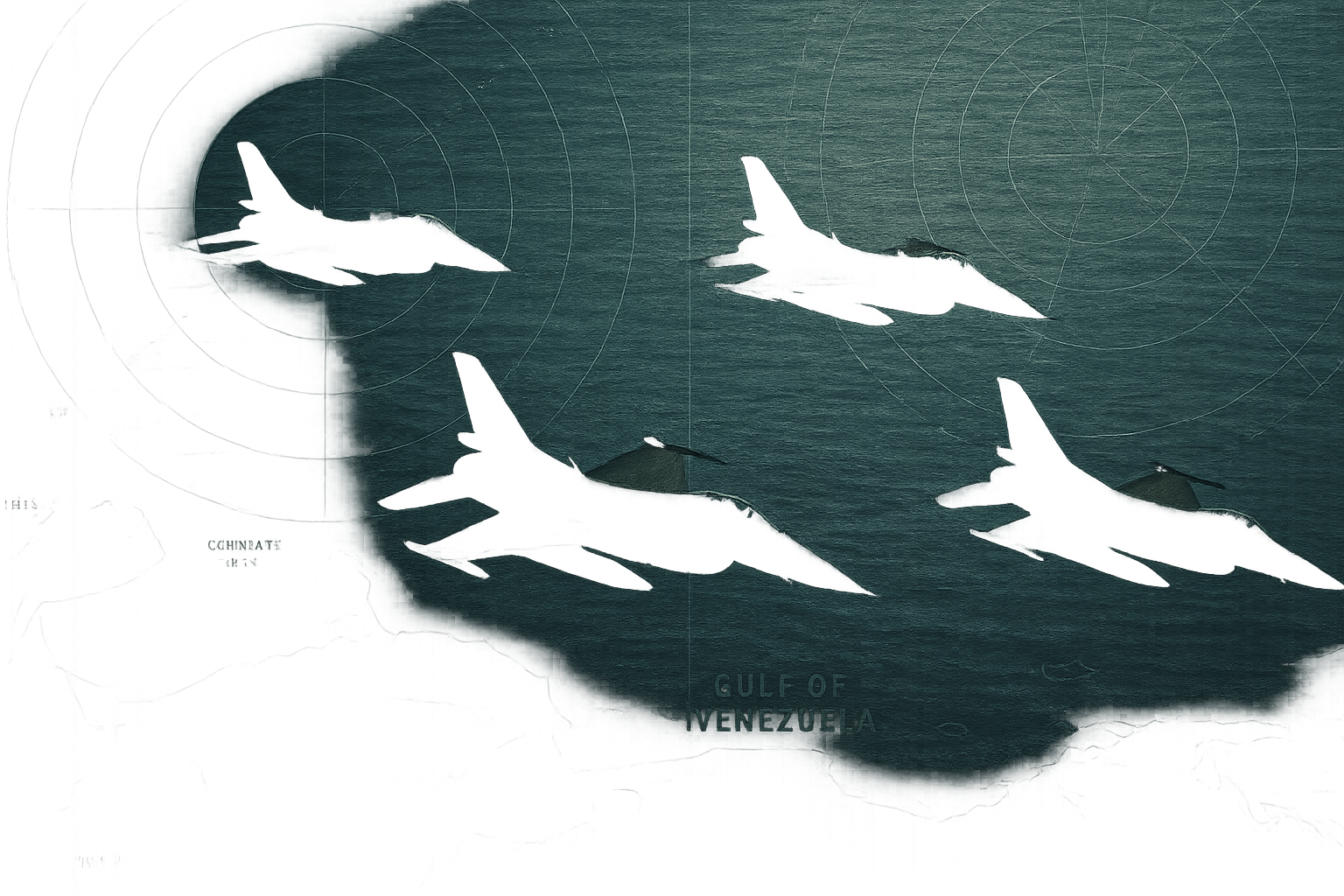
OPEN-SOURCE FLIGHT DATA SHOWS MILITARY MOVEMENT AS CARACAS AND WASHINGTON ENTER A NEW PERIOD OF STRAIN
Open-source flight trackers recorded U.S. military aircraft operating over the Gulf of Venezuela, fueling speculation as diplomatic tensions between the U.S. and Venezuela intensify.
Open-source flight-tracking platforms reported the presence of U.S. military aircraft operating over or near the Gulf of Venezuela in recent hours, adding a new layer of scrutiny to a region already experiencing heightened geopolitical tension. The sightings involve transponder-active aircraft typically associated with surveillance or reconnaissance missions.
Neither the Pentagon nor U.S. Southern Command has publicly commented on the activity, and it remains unclear whether the flights were part of routine regional operations, maritime monitoring, counter-narcotics missions or something more strategically targeted. Analysts caution that without official confirmation, the scope and purpose of the flights cannot be definitively assessed.
The reported movements come at a sensitive moment in U.S.–Venezuela relations, marked by increased diplomatic strain and public statements from both governments. Recent security concerns, territorial disputes and shifting alliances in the region have amplified interest in any military presence near Venezuelan airspace.
Venezuelan officials have not issued a formal response to the tracked flights, though state media has historically framed similar incidents as provocations or attempts to exert pressure. Defense experts say that operating in international airspace is legal, but perception plays a significant role in regional stability.
Independent analysts emphasize that flight-tracking data, while useful, can be incomplete or misleading if aircraft disable transponders or operate in restricted modes. However, the visibility of these particular aircraft has prompted increased attention from military observers and policy specialists.
The situation continues to develop as monitoring groups track additional air movements. U.S. officials are expected to address regional security posture in upcoming briefings.