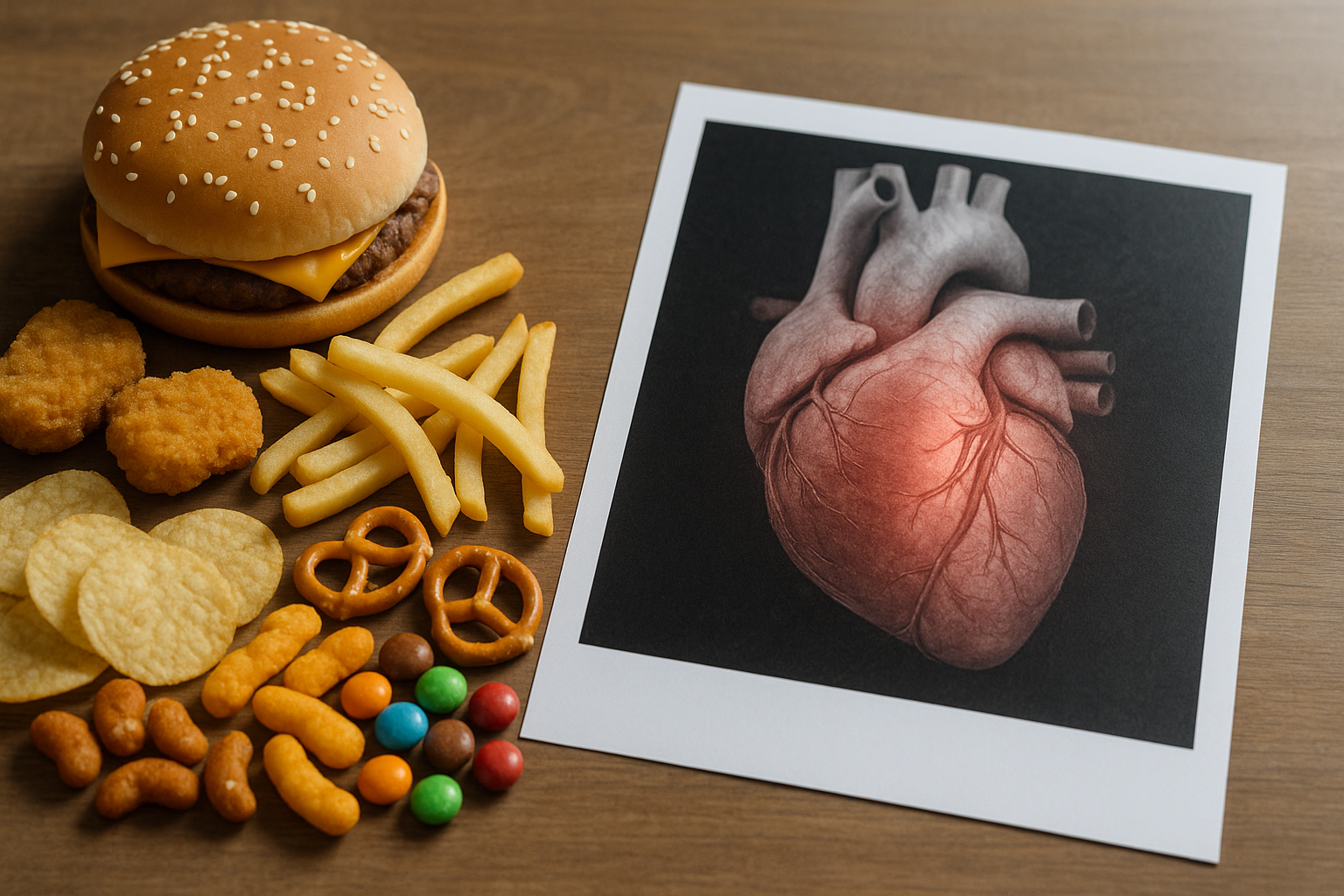
Nutrition and cardiovascular specialists say frequent consumption of certain foods may raise the risk of hypertension, clogged arteries, and heart disease.
According to health experts, regularly eating highly processed, salty, and sugar-rich foods may contribute to cardiovascular problems, making dietary moderation an important preventive factor.
Health and nutrition experts are warning that several commonly consumed foods may negatively affect cardiovascular health when eaten frequently. According to specialists, these dietary patterns have been linked to higher risks of high blood pressure, elevated cholesterol levels, and heart disease.
Processed meats such as sausages, deli meats, and cured products are among the foods most often cited. Experts say these items typically contain high levels of sodium, saturated fats, and preservatives, which may contribute to inflammation and increase the risk of cardiovascular conditions.
Fried foods and ultra-processed products, including fast food, packaged snacks, and industrial baked goods, are also a concern. Specialists note that these foods often contain unhealthy fats and excess calories that can damage blood vessels and raise LDL, commonly known as “bad” cholesterol.
Sugary beverages and refined carbohydrates — such as soft drinks, sweetened juices, white bread, and processed flours — have also been linked to metabolic changes. Experts say these products can disrupt blood sugar regulation, raise triglyceride levels, and increase the risk of insulin resistance, a known cardiovascular risk factor.
High salt intake remains another major issue. According to cardiovascular researchers, diets rich in sodium can raise blood pressure, force the heart to work harder, and contribute to fluid retention and arterial damage over time.
Full-fat dairy products and foods high in saturated fats may also increase LDL cholesterol when consumed excessively. Experts emphasize that these fats can contribute to plaque buildup in arteries, a condition known as atherosclerosis, which raises the risk of heart attacks and strokes.