Experts stress the approach is experimental and not approved for widespread veterinary use.
Veterinarians and researchers are studying whether Ozempic-like drugs, originally developed for humans, could help obese cats manage serious health conditions, while emphasizing the treatment remains experimental.
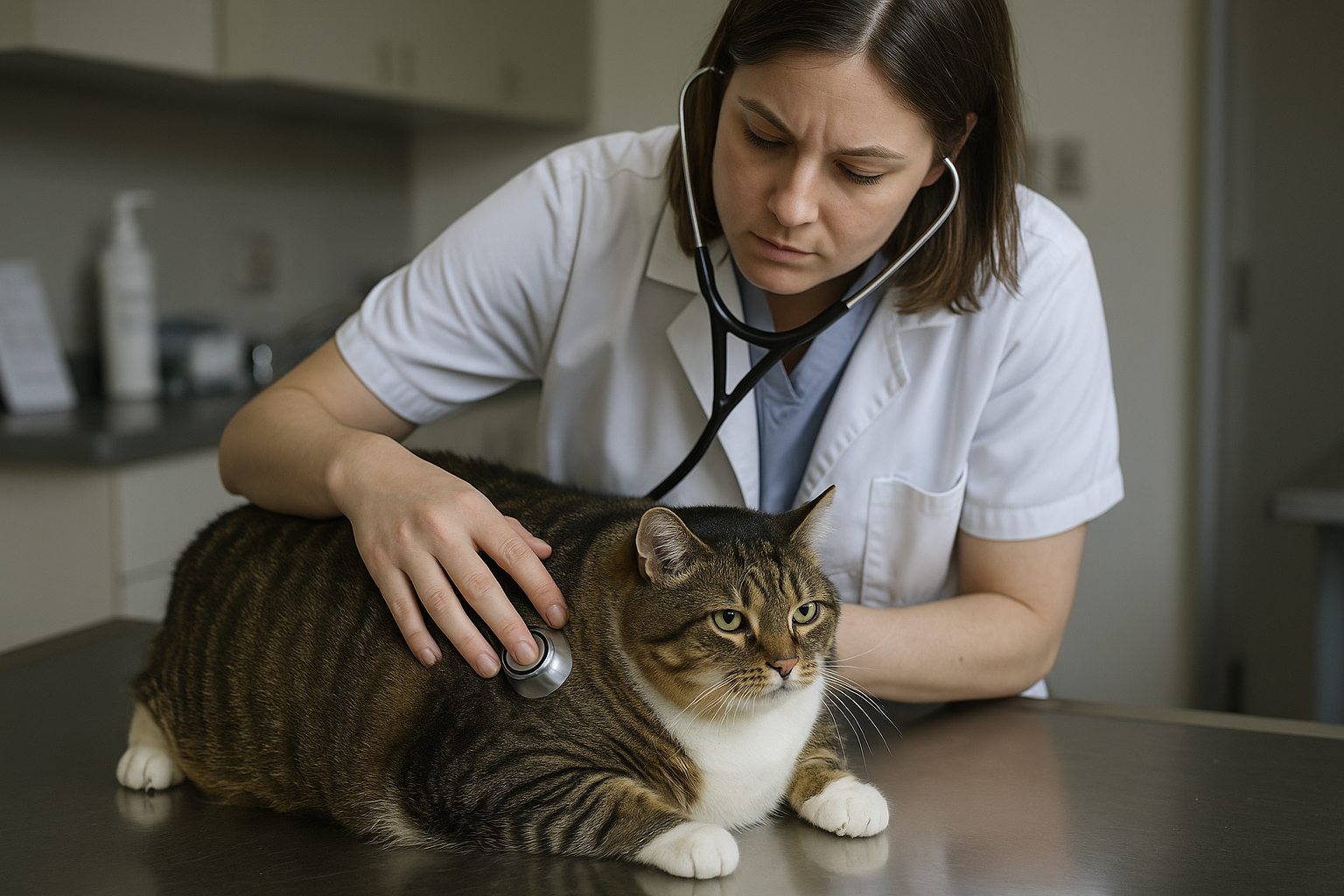
Veterinarians are increasingly examining the use of Ozempic-like medications in cats suffering from severe obesity, a condition linked to diabetes, heart strain, and other life-threatening illnesses. Experts say the goal is not cosmetic weight loss, but improving survival and quality of life.
Ozempic, a GLP-1 receptor agonist approved for human diabetes and weight management, is not approved for veterinary use. However, some specialists are studying whether similar mechanisms could safely help cats reduce dangerous fat levels under closely controlled conditions.
According to veterinary researchers, obesity in cats can worsen insulin resistance, liver disease, and cardiovascular stress. In extreme cases, weight reduction may be necessary to stabilize cats with terminal or advanced illnesses, though outcomes vary widely.
Experts caution that these treatments are still in early research stages. Dosage, side effects, long-term safety, and species-specific reactions remain under investigation, and veterinarians warn against pet owners attempting any off-label use without professional oversight.
Animal health specialists emphasize that diet modification, activity, and traditional veterinary care remain the first-line treatments. Any pharmaceutical intervention would be considered only when standard methods fail and the animal’s condition is severe.
Regulatory agencies have not approved Ozempic or similar drugs for cats, and researchers say further clinical studies are needed before broader veterinary adoption could be considered.