Researchers point to bioactive compounds, while clinicians warn against overinterpreting the results.
Researchers say a new study links certain compounds found in chocolate to markers associated with slower aging, but medical experts caution that the findings do not justify increased chocolate consumption.
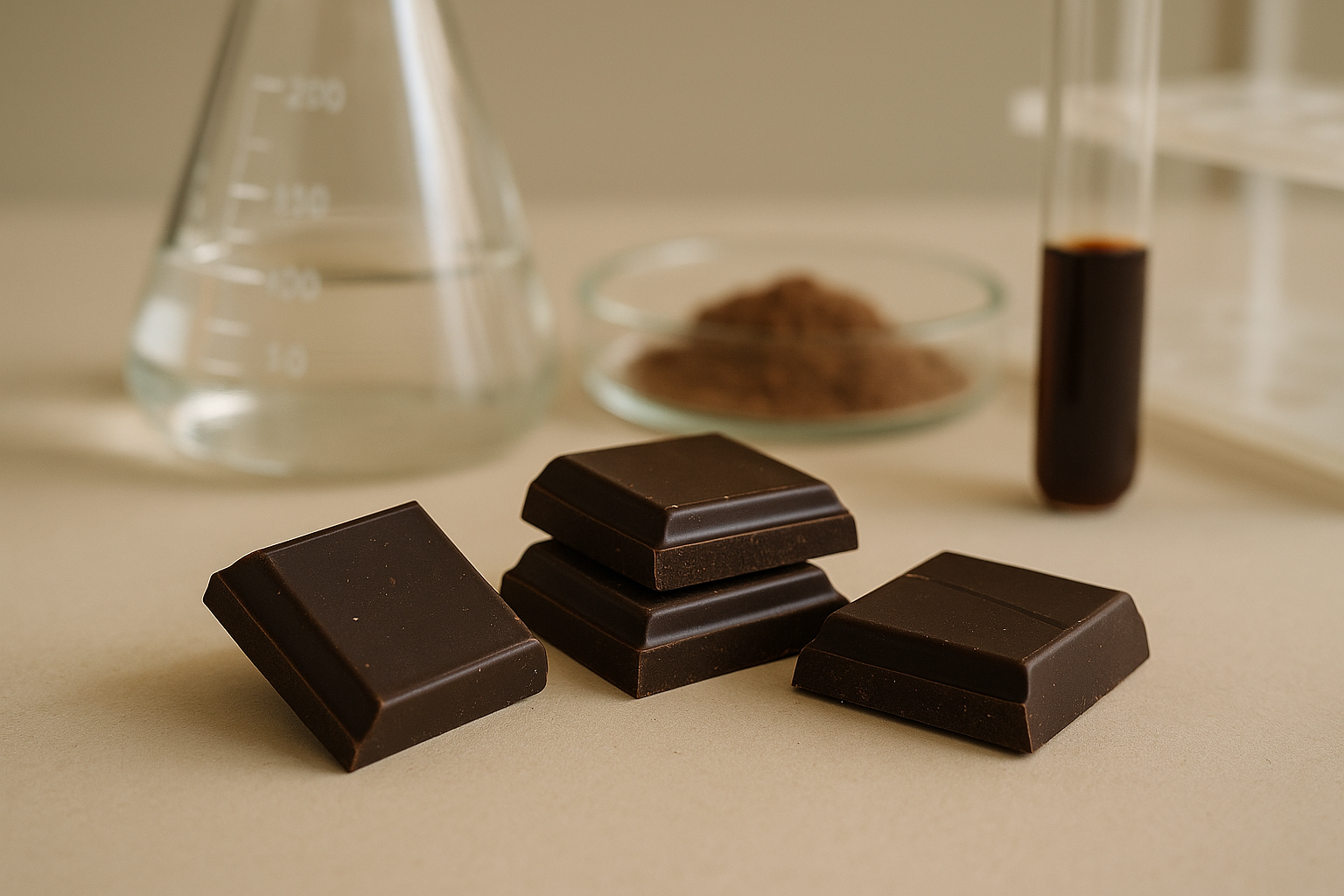
A new study suggests that specific compounds commonly found in chocolate may be associated with slower aging processes, according to the researchers. The findings focus on bioactive elements, such as flavanols, that have previously been studied for potential antioxidant effects.
The researchers reported that these compounds may influence cellular pathways related to inflammation and oxidative stress, both of which are linked to aging. The study did not conclude that eating chocolate itself directly slows aging, nor did it assess long-term health outcomes.
Medical experts emphasized that the research examines isolated compounds rather than typical chocolate products. Many commercially available chocolates contain added sugars and fats that can counteract potential benefits if consumed in excess.
Doctors cautioned that observational findings or laboratory results should not be interpreted as dietary advice. They noted that increased intake of chocolate could contribute to weight gain, elevated blood sugar, and other health risks.
Nutrition specialists said any potential benefits would more likely come from modest consumption of dark chocolate with higher cocoa content, within the context of an overall balanced diet. Even then, evidence remains limited.
The study’s authors and independent experts agreed that further research is needed to determine whether the compounds identified translate into meaningful, real-world health benefits. Current dietary guidelines remain unchanged.