State proposals seek federal approval to limit purchases of sugary drinks and highly processed foods under SNAP.
Officials in 18 states say they are pursuing policies that would prevent SNAP benefits from being used to purchase certain junk food items, pending federal approval, as part of broader public health efforts.
Officials in 18 U.S. states say they are moving forward with proposals that would restrict Supplemental Nutrition Assistance Program (SNAP) benefits from being used to purchase certain junk food items, according to state agencies and policy documents. The efforts would require approval from the U.S. Department of Agriculture, which oversees SNAP.
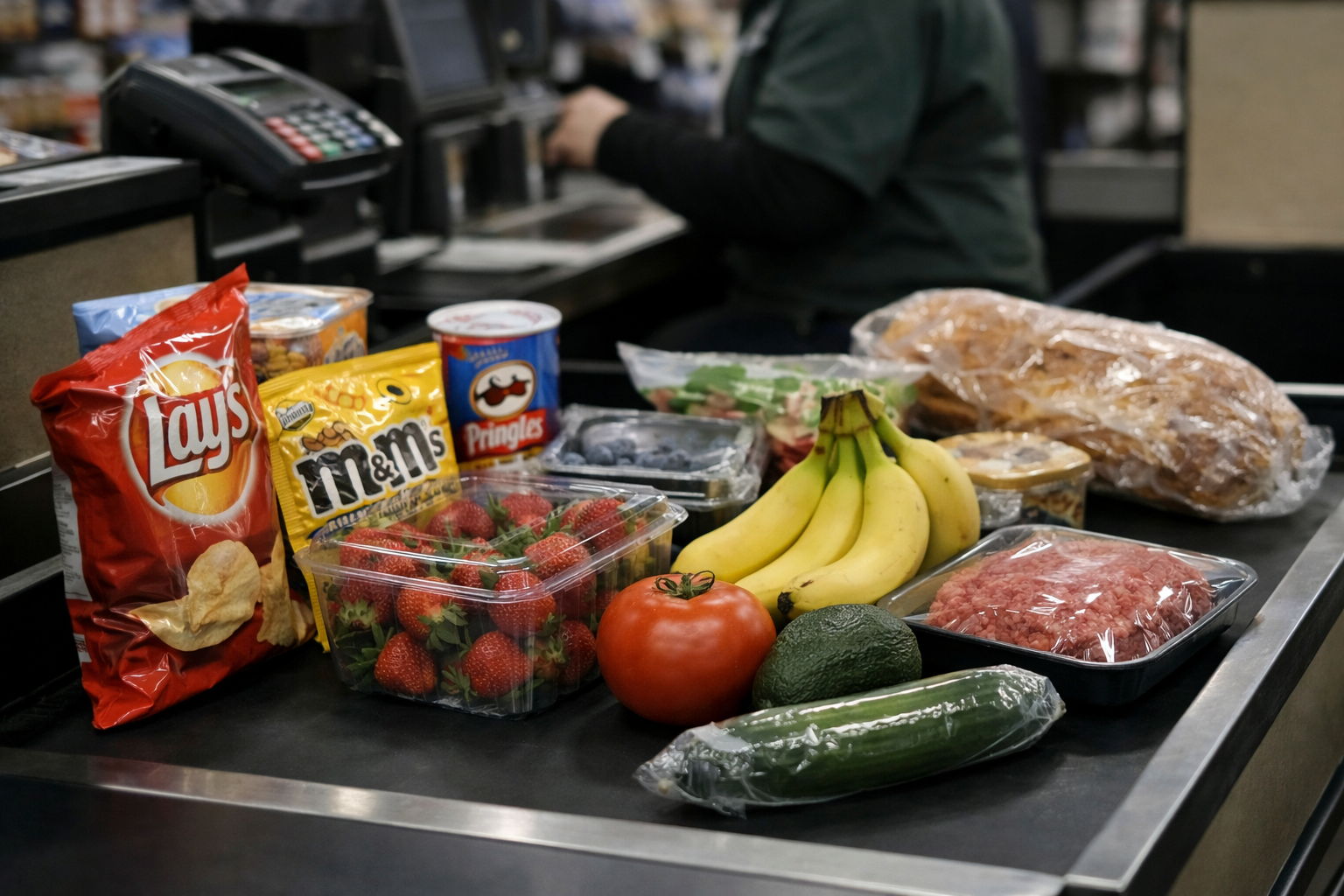
The proposed restrictions typically focus on items such as sugary drinks, candy, and highly processed snack foods. Supporters argue the changes could improve nutrition outcomes and reduce diet-related illnesses among low-income populations.
SNAP is a federally funded program, meaning states cannot unilaterally change eligible food categories without waivers or rule changes approved by the federal government. USDA officials have not yet confirmed whether all proposals will be approved.
Public health advocates say limiting junk food purchases could align SNAP with nutritional goals, while critics argue such restrictions could stigmatize recipients and limit personal choice without addressing broader food access issues.
Economists and policy analysts note that similar proposals have been debated for years, with mixed evidence on whether restrictions alone improve dietary habits. Access to affordable, healthy food options remains a key factor.
State officials emphasized that discussions are ongoing and that no nationwide ban has been enacted. Any approved changes would be implemented on a state-by-state basis following federal review.