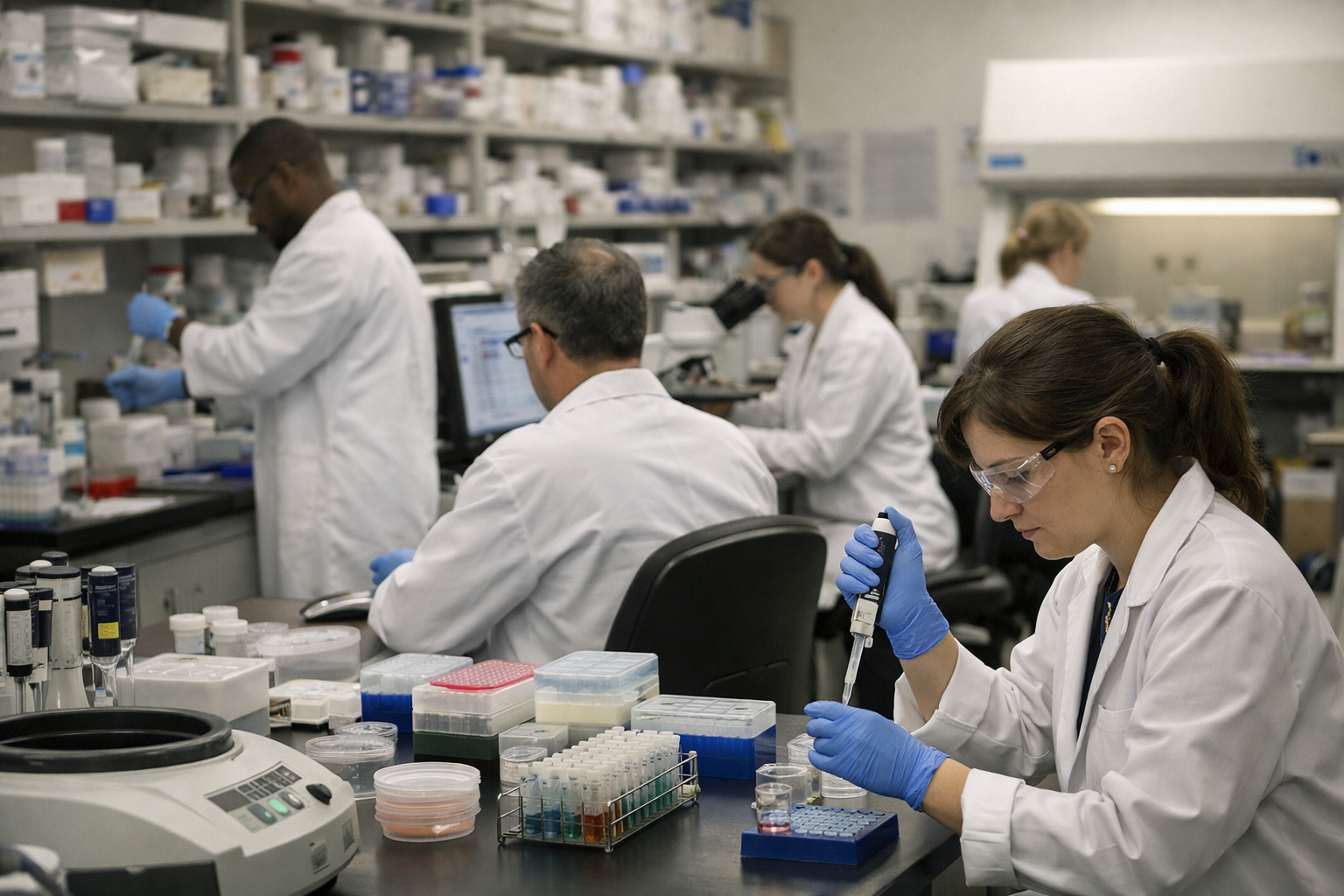
Researchers report encouraging early results while emphasizing the need for clinical trials.
Researchers say a recent study has identified promising effects from commonly available dietary supplements in brain cancer research settings. Scientists stress the findings are preliminary and require further validation in human trials.
A newly published study reports that certain commonly used dietary supplements showed promising effects in brain cancer research, according to the study’s authors. The findings were observed in controlled laboratory and preclinical settings, not in large-scale human trials.
Researchers said the supplements appeared to influence tumor-related pathways, including mechanisms linked to cell growth and inflammation. The study focused on biological responses under experimental conditions rather than patient treatment outcomes.
Experts unaffiliated with the research caution that laboratory findings do not necessarily translate into safe or effective therapies for patients. They emphasize that supplements should not be viewed as replacements for established cancer treatments.
Medical researchers note that many compounds studied in oncology research originate from everyday substances, but years of testing are typically required before any clinical application. Human trials are necessary to assess safety, dosage, and effectiveness.
Health authorities consistently advise patients to consult oncologists before using supplements during cancer treatment, as some may interfere with standard therapies or produce unintended effects.
The study’s authors said their results justify further investigation and called for carefully designed clinical trials. Until then, the findings should be interpreted as early-stage research rather than a medical breakthrough.