PRESIDENT SAYS REMAINING MONEY FROM $2,000 CHECKS WILL HELP TACKLE $38 TRILLION DEFICIT
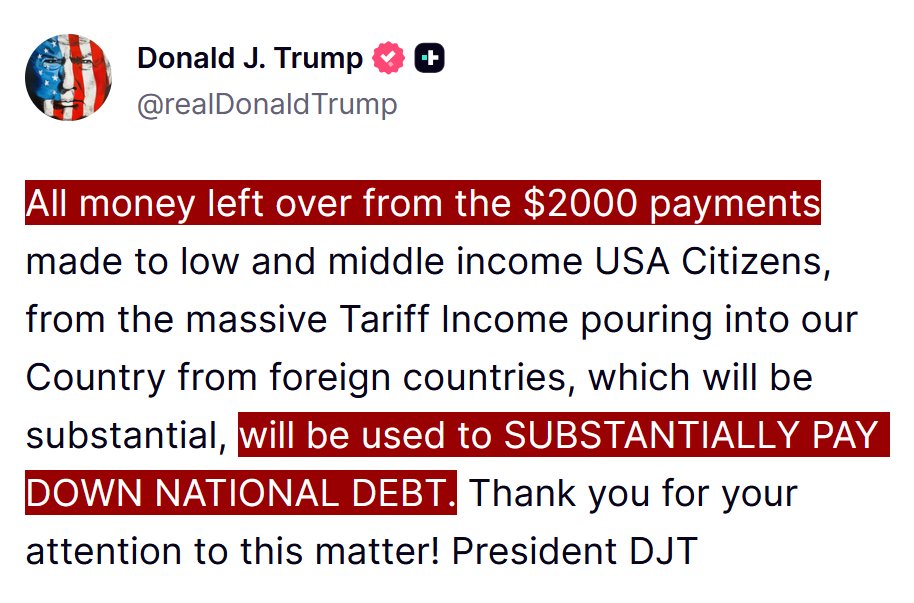
WASHINGTON, D.C. — November 8, 2025. President Donald Trump said Friday that any unclaimed or unused funds from his $2,000 “tariff stimulus” checks will be redirected toward paying down the U.S. national debt, which has surpassed $38 trillion for the first time in history.
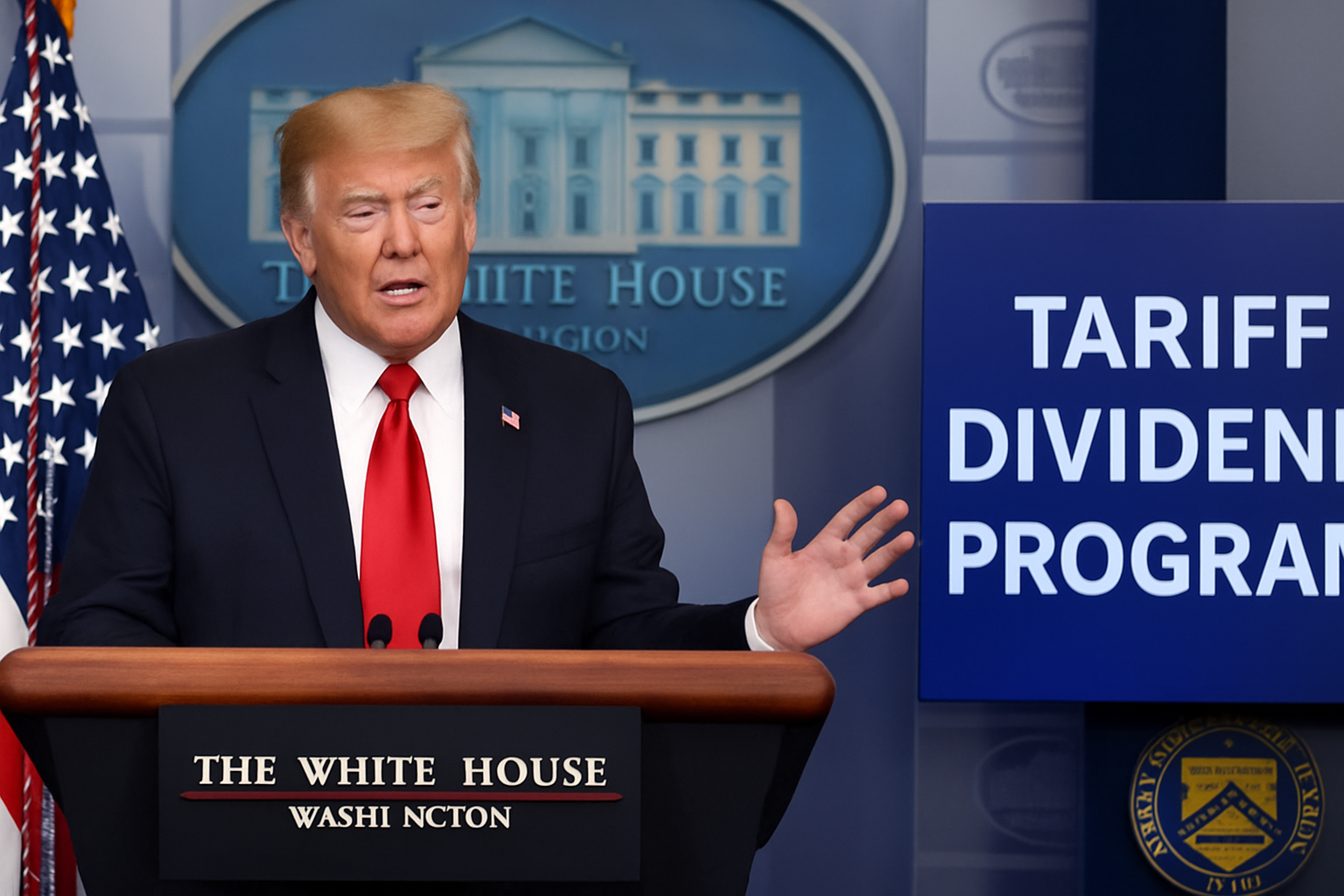
The announcement, delivered during a White House briefing, comes as part of the administration’s broader effort to highlight the economic benefits of Trump’s tariff dividend program, funded by new import duties on foreign goods — particularly from China and Mexico.
“This is America’s money, not Washington’s,” Trump said. “Any leftover funds from the stimulus checks will go directly toward reducing our national debt. It’s time to stop borrowing and start paying back.”
Under the plan, millions of Americans began receiving one-time $2,000 payments last month, financed by tariff revenue collected through what the administration calls a “Fair Trade Fund.” Treasury officials said approximately 93% of eligible payments have been distributed, while the remainder includes unclaimed checks or funds returned due to address or account errors.
Economists are divided on the proposal’s impact. Some analysts argue the contribution to debt reduction will be largely symbolic, given the scale of the deficit, while others view it as a politically powerful gesture underscoring fiscal responsibility.
“This announcement is more about optics than economics,” said Dr. Michael Porter, a fiscal policy expert at the University of Chicago. “But it could resonate with voters who are concerned about debt and inflation.”
Administration officials claim that redirecting even a small portion of unused funds could offset hundreds of millions of dollars in borrowing, and they hint that future tariffs might similarly fund infrastructure or debt-relief programs.
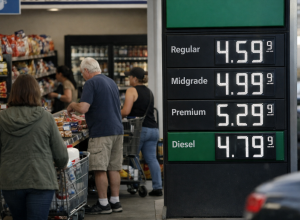
Critics, however, warn that relying on tariff revenues is risky and could fuel consumer price increases if trade tensions intensify. “Tariffs are a tax on Americans,” said a Democratic lawmaker from California. “You can’t fight debt with inflation.”
Still, Trump framed the move as part of his “America First” economic vision — one that blends populist stimulus with fiscal nationalism. “We’re using tariffs to help our people and fix our books,” he said. “It’s a beautiful thing.”