The president says lower collections are temporary and predicts a Supreme Court victory that would cement sweeping tariff powers across key U.S. trading partners.
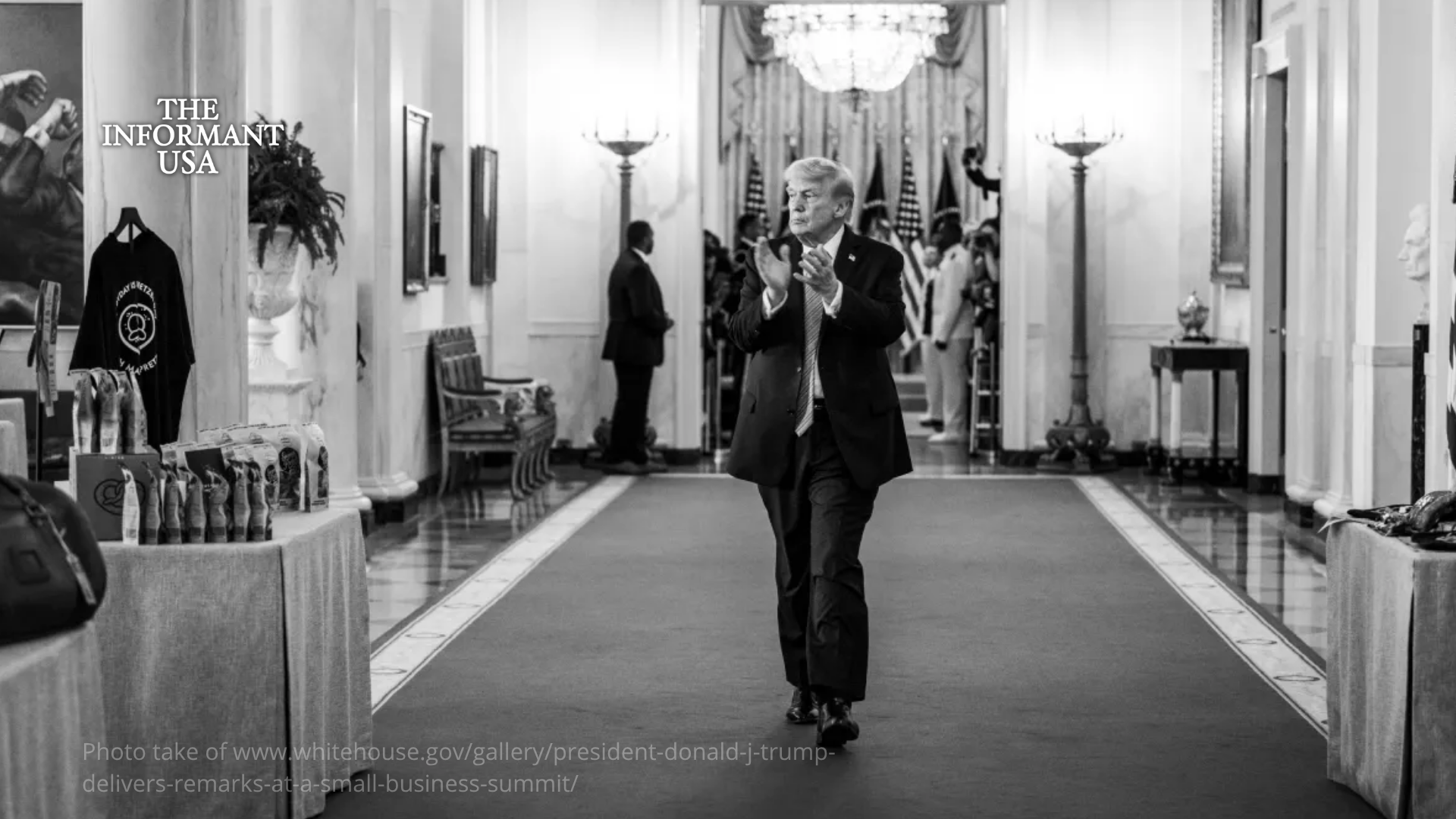
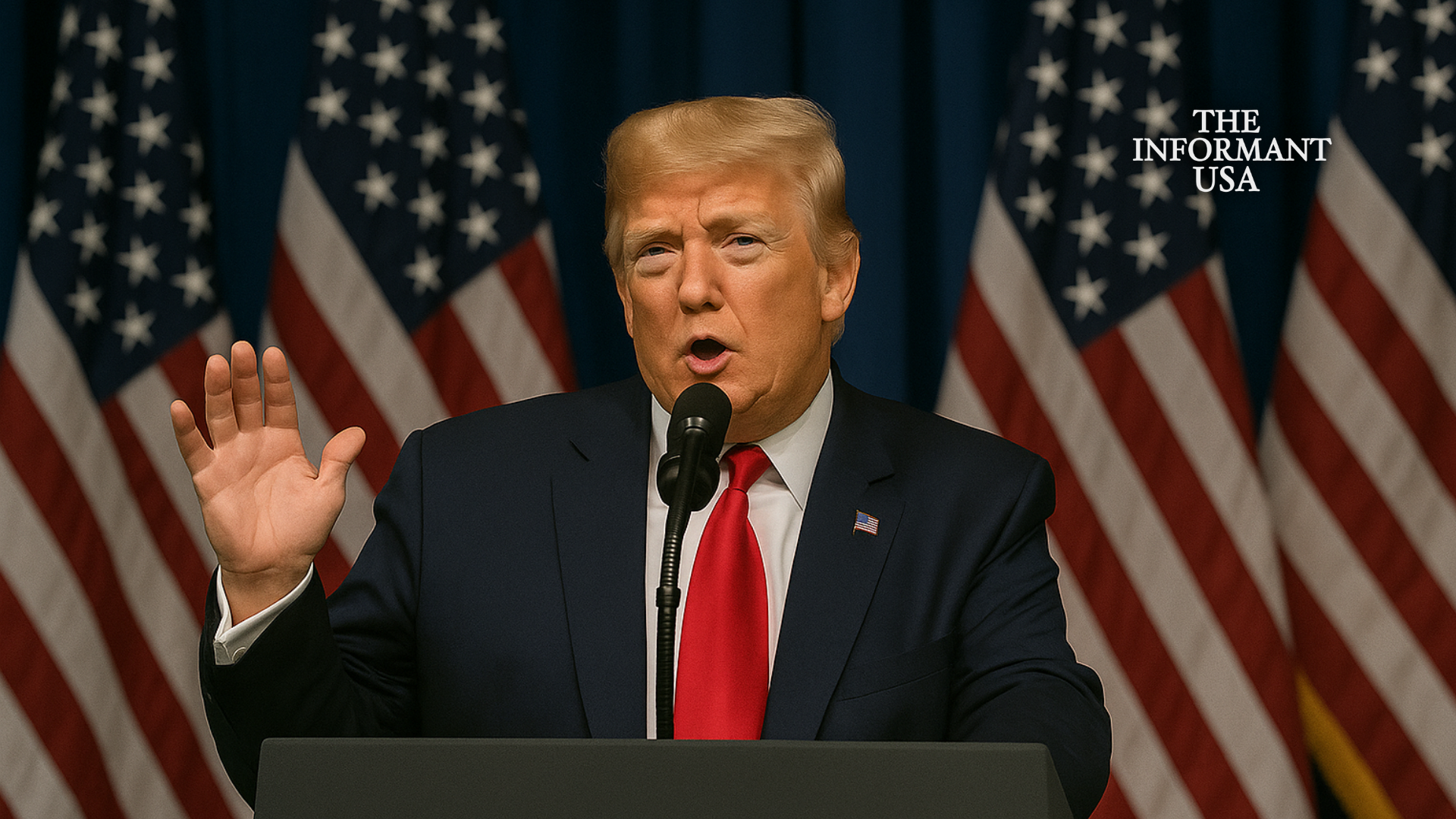
President Donald J. Trump defended his administration’s broad tariff program in a new post on X, arguing that importers have been stockpiling goods to avoid higher duties — a practice he says has temporarily depressed tariff revenues.
Trump predicted that once those inventories run out, payments to the U.S. government “will skyrocket to historic levels,” which he claims will strengthen national security against “hostile foreign interests.”
He also expressed excitement for an upcoming U.S. Supreme Court decision, saying it will finally allow the administration to impose tariffs without interruptions or legal challenges.
TARIFFS FROM 10% TO 100% ACROSS MEXICO, CANADA, CHINA & MORE
The tariffs — implemented in January 2025 — apply to imports from Mexico, Canada, China, and other countries, with rates ranging from 10% to 100%.
They were invoked under the International Emergency Economic Powers Act (IEEPA) of 1977, citing:
- Illegal immigration
- Drug trafficking, including fentanyl
- Persistent U.S. trade deficits
Critics say the tariffs function as taxes, which constitutionally fall under Congress, not the executive branch. They also argue that the national emergencies cited do not meet the legal threshold under IEEPA.
Recent adjustments include lowered tariffs on goods from Brazil and Switzerland, and a temporary pause on select Chinese imports.
SUPREME COURT CASE COULD RESET PRESIDENTIAL AUTHORITY ON TRADE
The legal battle centers on Trump v. V.O.S. Selections, a consolidated challenge heard on Nov. 5, 2025. Lower courts previously ruled that the tariffs exceeded presidential authority.
During oral arguments:
- Chief Justice Roberts and Justice Gorsuch voiced concerns about unconstrained executive power.
- Justice Alito appeared sympathetic to Trump’s position.
- Justice Barrett warned about practical consequences, including potentially massive refunds if the tariffs are struck down.
A final ruling is expected before June 2026, with legal experts saying the decision could redefine executive power over trade and emergency authorities.
TARIFF DIVIDENDS, NATIONAL DEBT & ECONOMIC STRAIN
The White House is simultaneously preparing alternative legal pathways to keep tariffs in place under national-security or unfair-trade statutes.
The Secretary of Commerce predicts a full legal victory, claiming it will:
- Enable $2,000 annual “dividend” payments for low-income Americans beginning in 2026
- Help reduce the $38 trillion national debt
Tariff revenue reached $215.2 billion in 2025, with projections of $2.8 trillion over a decade.
But critics point to the downsides:
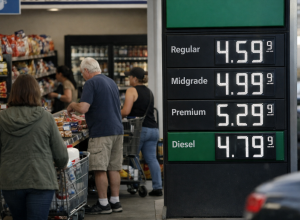
- U.S. retail prices up 40%
- Small businesses struggling with higher input costs
- Inflation concerns driving political backlash on X
Supporters acclaim the policy as economic protectionism, while opponents call it inflationary and authoritarian.