SUBHEADLINE: AMAZON, META AND OTHERS POINT TO AI-ASSISTED DEVICES AS THE FUTURE OF PERSONAL TECH
Companies like Amazon and Meta say AI-powered features will drive the next wave of smart glasses, transforming everyday consumer interactions through real-time assistance and immersive digital overlays.
Major technology companies — including Amazon, Meta and a growing list of AI-focused hardware startups — say artificial intelligence will be the foundational technology behind next-generation smart glasses. Executives argue that AI-powered features, from real-time object recognition to instant voice-based personal assistance, will redefine how consumers interact with digital information in daily life.
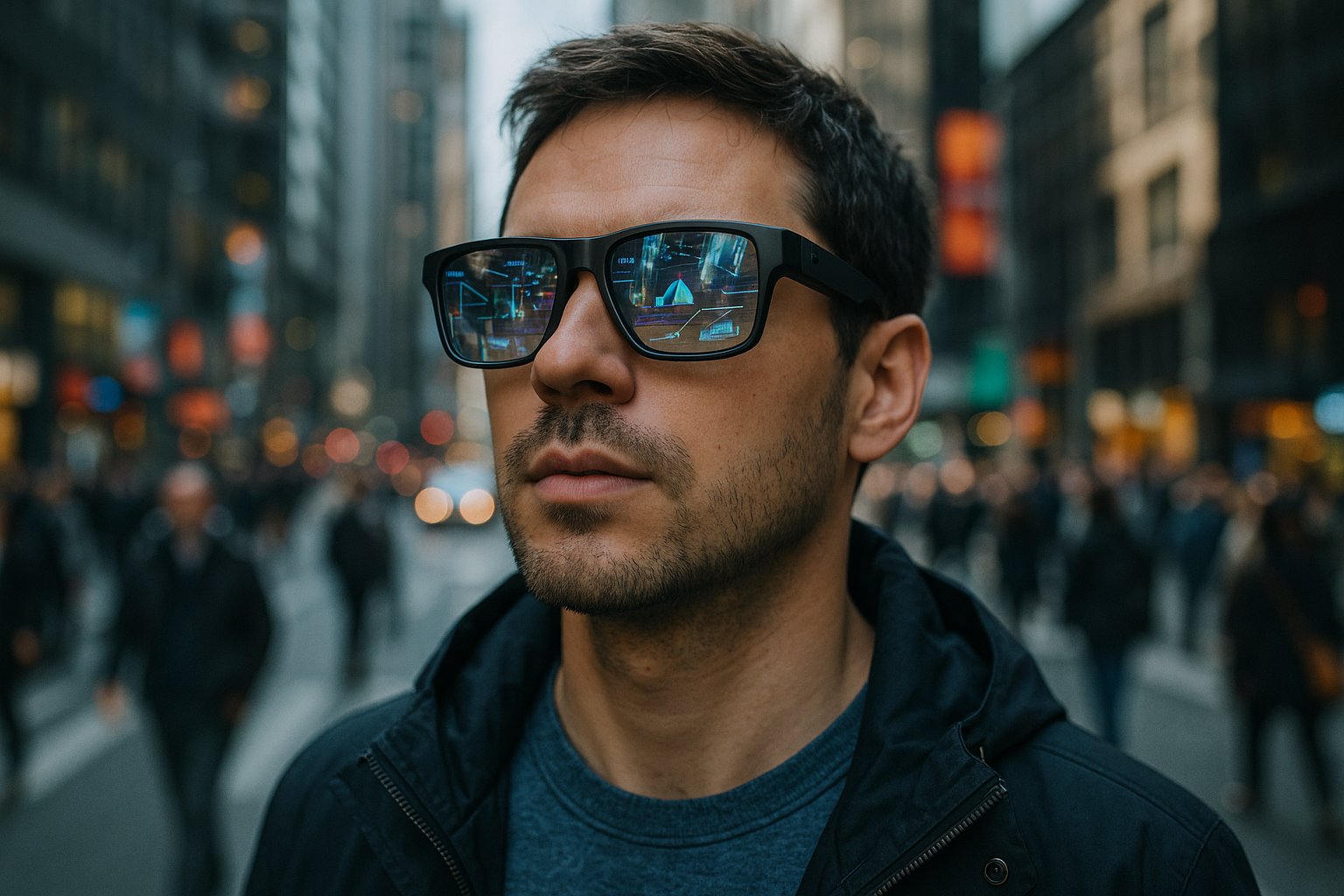
Meta, which has invested heavily in augmented-reality wearables, says AI is the missing layer that will finally make smart glasses mainstream. New systems are being designed to handle conversational input, provide contextual awareness and deliver personalized visual overlays directly in the user’s field of view.
Amazon, meanwhile, is exploring AI-driven wearable assistants that go beyond simple notifications — offering live translation, step-by-step guidance, hands-free search and integrated e-commerce functions. Analysts say the push reflects Amazon’s broader strategy to embed its ecosystem into the next wave of personal devices.
Industry experts note that recent breakthroughs in generative AI, edge computing and sensor miniaturization have dramatically accelerated smart-glasses development. Unlike early models that struggled with battery life and limited functionality, modern prototypes are capable of running advanced AI inference locally without bulky hardware.
The companies believe AI will not only expand what smart glasses can do, but also reshape consumer expectations. From navigation and productivity tools to entertainment and accessibility features, the devices are expected to become a central hub for personalized, always-available computing.
Analysts expect commercial releases to ramp up over the next two years, with early adopters, enterprise sectors and mainstream consumers all playing roles in determining whether smart glasses finally achieve mass-market success.