POLICY CHANGE WOULD EASE MANDATES ON AUTOMAKERS AS DEBATE OVER COSTS AND ENVIRONMENTAL IMPACT INTENSIFIES
The White House is preparing to announce a major rollback of federal fuel-economy requirements, easing long-term targets for automakers.
The White House is set to unveil significant reductions to federal fuel-economy requirements, according to early reports circulating among industry officials and policy analysts. The move would mark a major shift in U.S. automotive and environmental policy, affecting long-term standards for gasoline and hybrid vehicles.
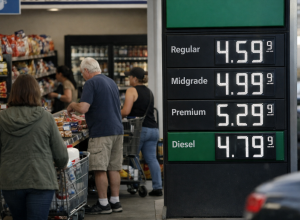
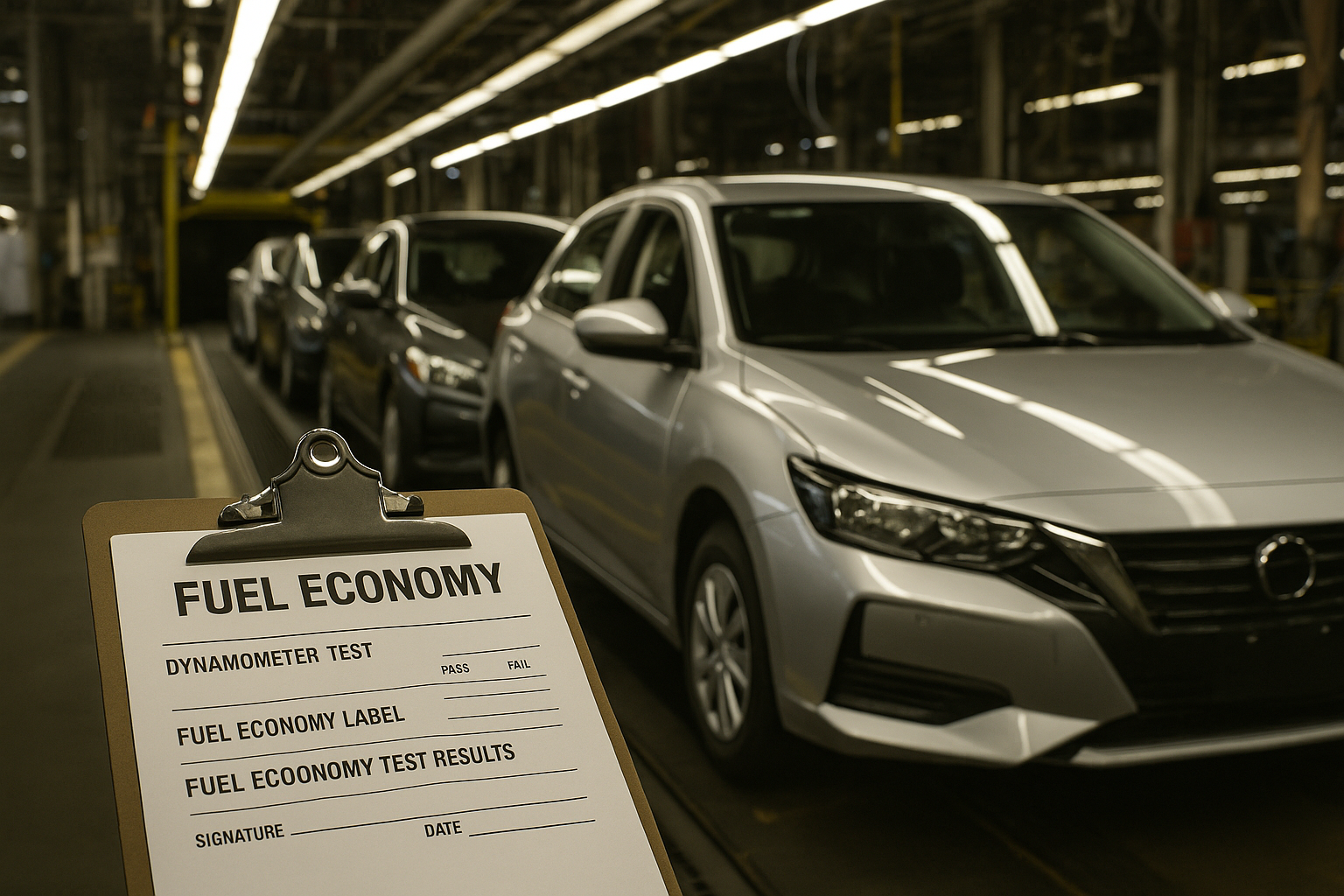
Current federal rules require automakers to meet increasingly strict miles-per-gallon benchmarks over the next decade. The coming announcement is expected to ease those targets, providing manufacturers more flexibility amid rising production costs, supply-chain constraints and uneven consumer demand for electric vehicles.
Supporters of the rollback argue that high regulatory burdens raise vehicle prices and strain U.S. automakers as they navigate shifts toward EVs, battery sourcing challenges and global competition. They say the adjusted standards could help stabilize production and prevent cost spikes for consumers.
Critics warn that reducing fuel-economy requirements could increase long-term emissions, lock in older engine technologies, and slow the transition toward cleaner transportation. Environmental groups say the rollback undermines climate goals and may increase fuel expenditures for consumers over time.
The White House has not released the final language of the policy, but insiders expect details to be announced in the coming days, followed by a formal regulatory process through the Department of Transportation and the Environmental Protection Agency.
Automakers and environmental organizations are preparing responses ahead of the official announcement, which is expected to shape the next phase of the national fuel-economy debate.