The new procedures strengthen national-security and fraud-prevention safeguards across employment-based immigration programs.
U.S. Citizenship and Immigration Services (USCIS) announced new measures to increase screening and vetting for noncitizens working inside the United States, expanding national-security checks and fraud-detection procedures across multiple employment-based immigration categories.
According to the agency, the updated protocols aim to identify security threats earlier, improve information-sharing with federal partners, and ensure that individuals seeking work authorization undergo enhanced background evaluations before being approved.
USCIS said the changes reflect its commitment to protecting U.S. homeland security, safeguarding the integrity of immigration benefits, and preventing misuse of visa programs by individuals seeking to exploit vulnerabilities.
The expanded screening will apply to:
- Employment-based nonimmigrant visa applicants
- Adjustment-of-status applicants seeking work authorization
- Certain humanitarian parolees and foreign nationals in U.S. workplaces
- Employers participating in USCIS-regulated visa programs
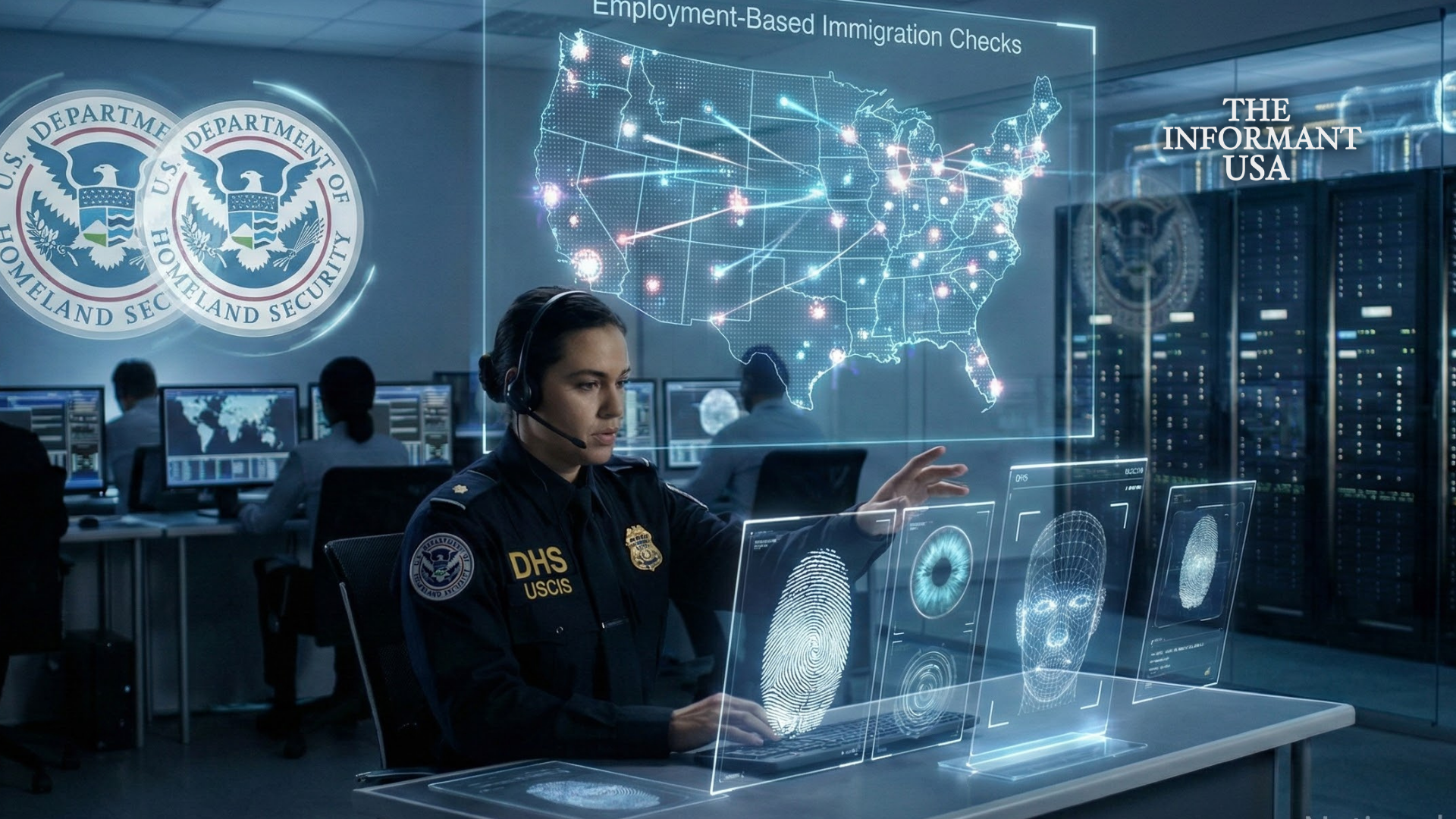
Officials said the upgrade includes new authentication tools, improved biographic and biometric checks, more robust fraud-detection technology, and coordination with law-enforcement and intelligence partners.
The announcement follows broader governmentwide efforts to ensure that employment-based immigration benefits are issued only to individuals who pose no security risk and meet all program requirements.