POLICY SHIFT LOWERS COMPLIANCE BURDENS, DRIVING OPTIMISM AMONG GLOBAL CAR MANUFACTURERS
Shares of several European carmakers rose after President Trump reversed U.S. fuel-economy rules, reducing regulatory pressure and improving earnings expectations for automakers selling into the American market.
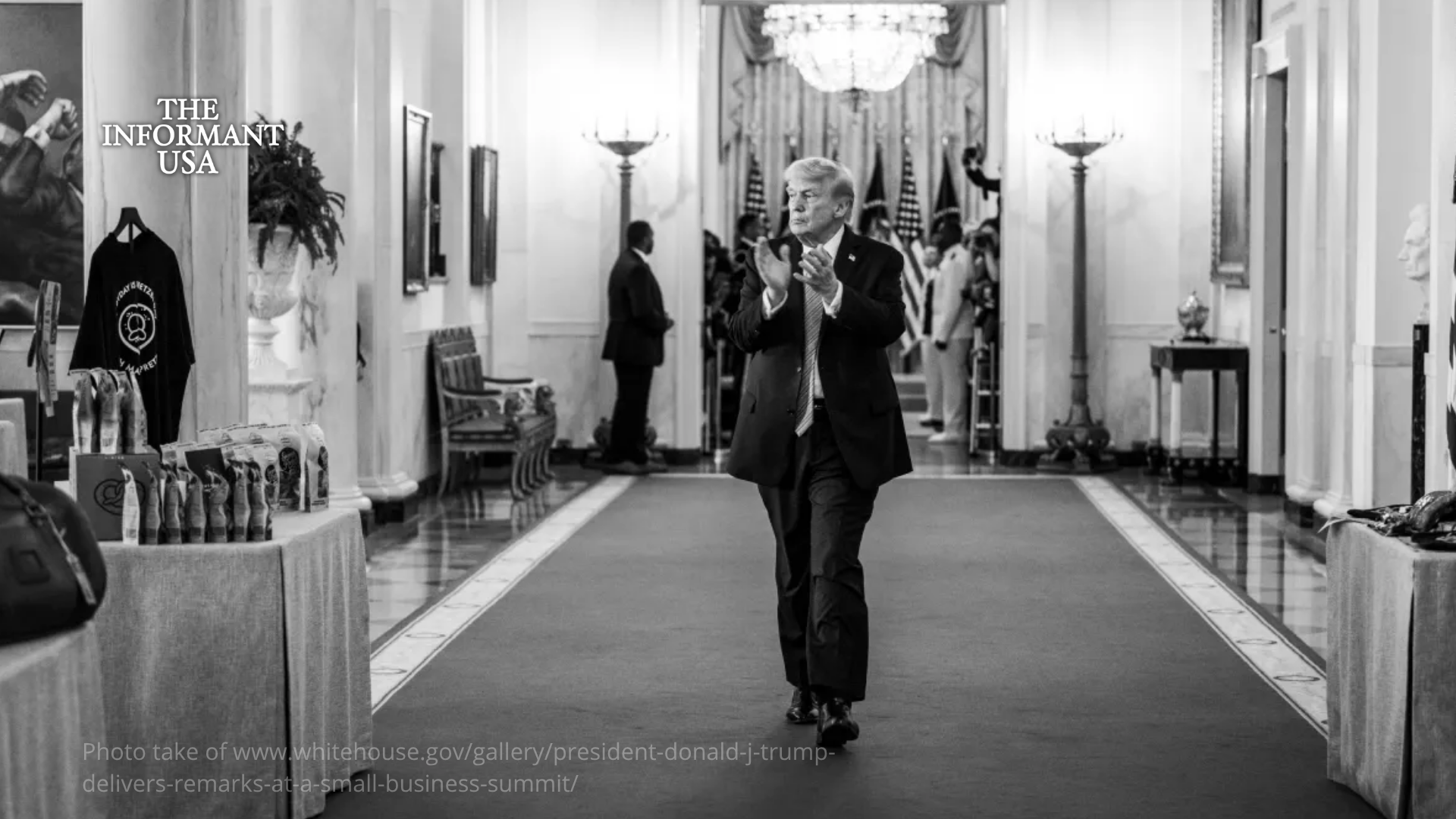
European carmakers saw a notable bump in share prices Tuesday after President Donald Trump announced a reversal of federal fuel-economy requirements, easing standards that had been tightened under the prior administration. The move reduces regulatory costs for automakers and immediately shifted market expectations for companies exporting vehicles to the United States.
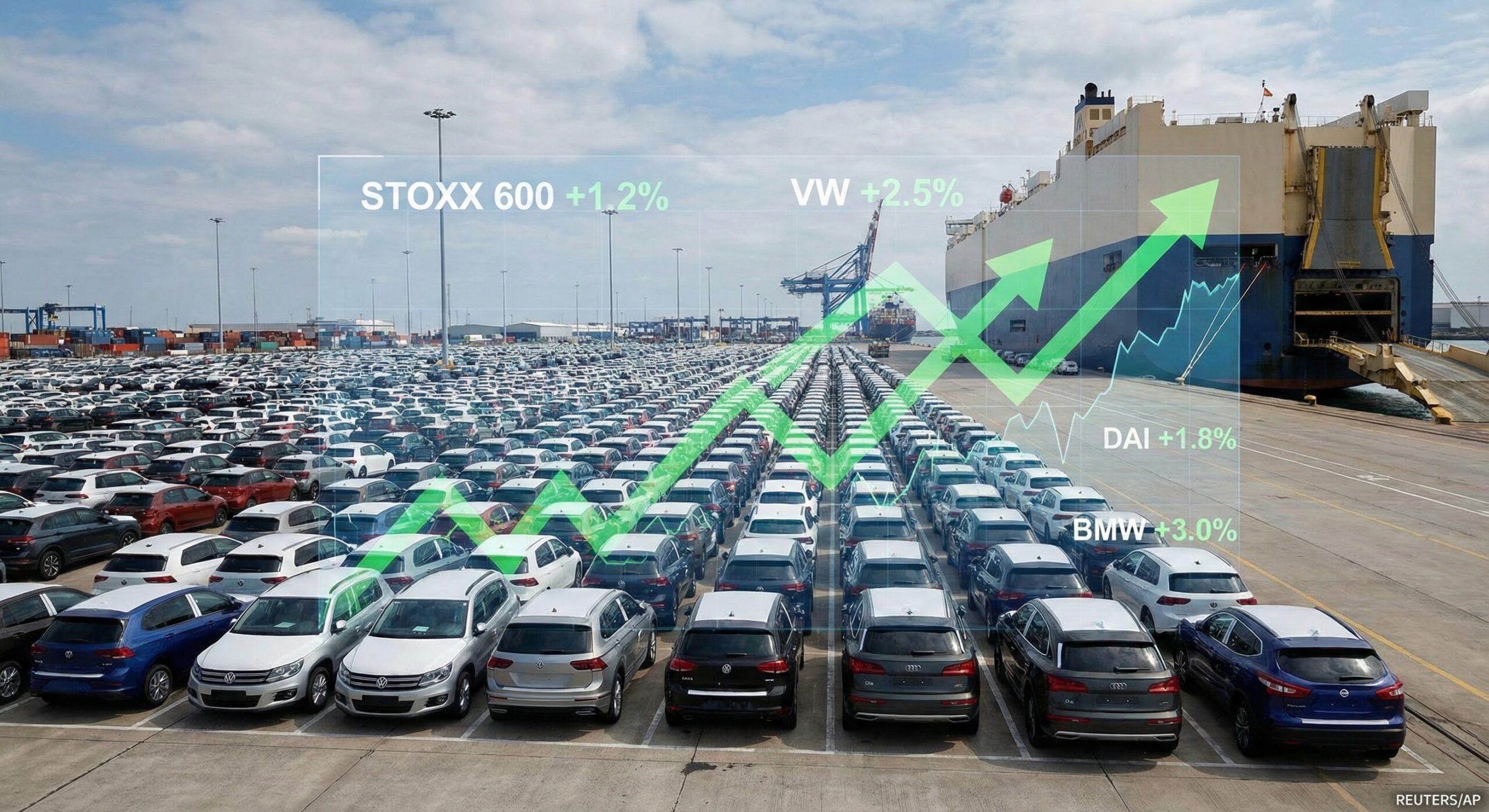
Analysts say the rollback lowers compliance burdens for brands such as Volkswagen, BMW, Mercedes-Benz and Stellantis, all of which rely heavily on the U.S. market but had faced rising costs tied to stricter efficiency standards. With the rules softened, European manufacturers are expected to benefit from more flexible fleet-mix strategies and reduced spending on accelerated electrification timelines.
The market reaction was swift: European auto shares ticked up across major exchanges, with investors betting that relaxed standards will boost profitability in the short and medium term. Traders say the policy change gives automakers more room to prioritize high-margin models that had been constrained by earlier regulatory pressure.
Economists note that Trump’s move underscores how U.S. regulatory policy can have global consequences, particularly in industries with deeply integrated supply chains. European automakers have spent years balancing internal European Union emissions rules with U.S. fuel-economy mandates — and shifts in either region can reshape investment strategies.
Environmental groups criticized the rollback, warning that weaker efficiency rules could slow the transition to cleaner transportation and increase long-term emissions. Business advocates, however, say the policy aligns regulatory requirements with market realities as demand for electric vehicles continues to evolve unevenly across continents.
Further reactions from automotive executives are expected in the coming days as manufacturers reassess their U.S. compliance and production plans.