SUPPORTERS SEE IT AS PUBLIC-SAFETY ACTION; CRITICS WARN OF FEDERAL OVERREACH INTO LOCAL LAW ENFORCEMENT
President Trump defended the use of the National Guard as a necessary tool for crime control, reigniting debate over federal involvement in local policing.
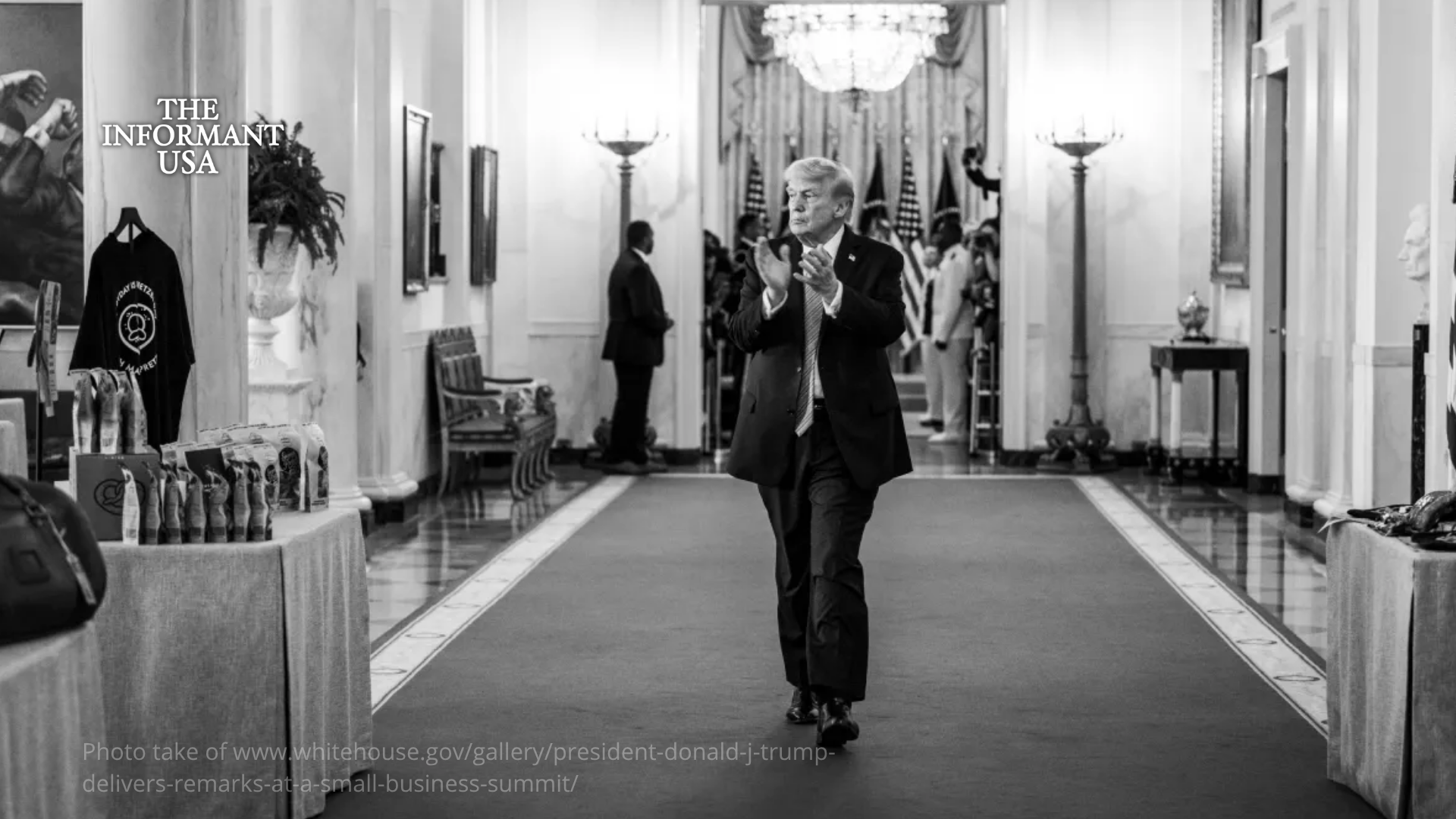
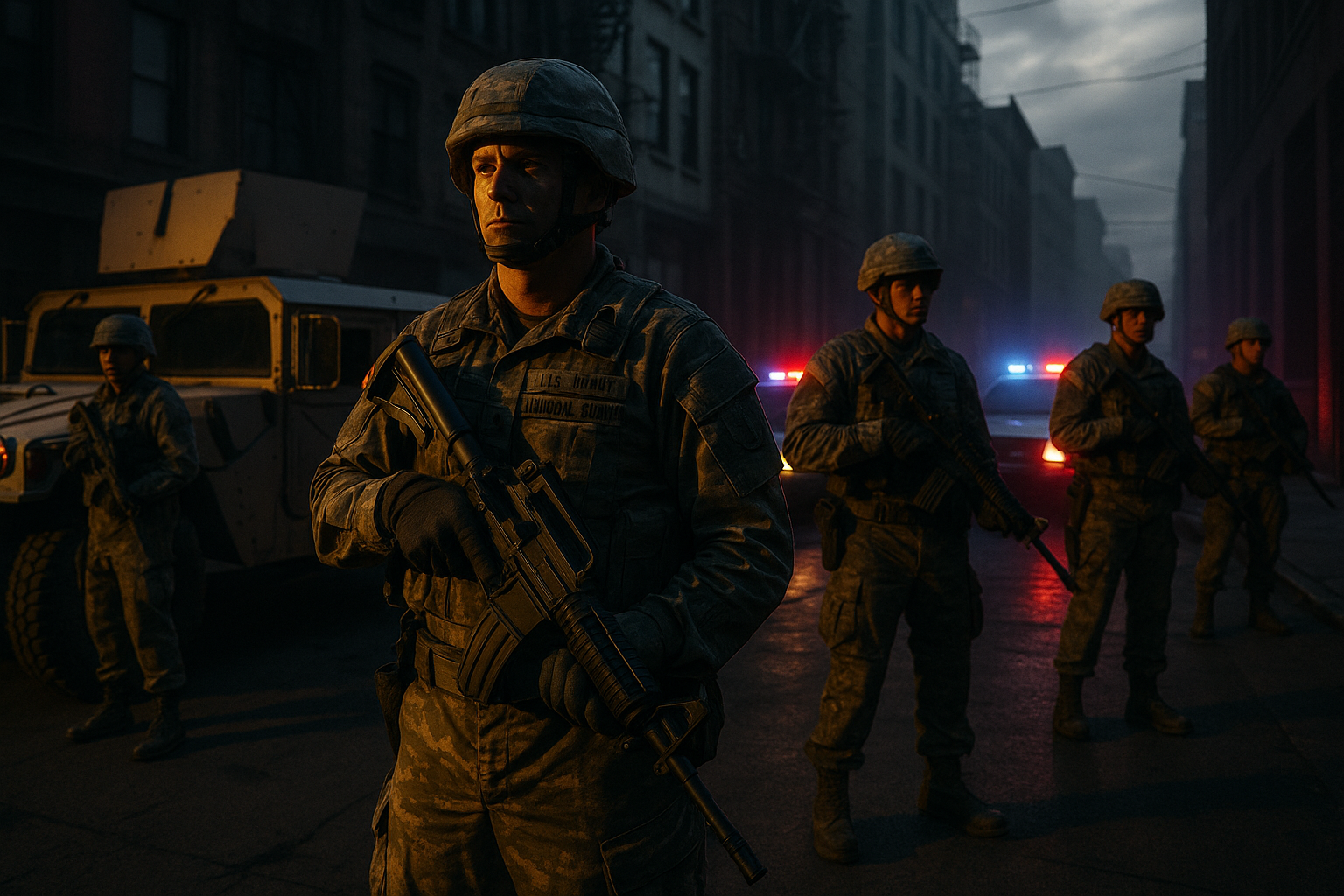
President Donald Trump stated Monday that deploying the National Guard in certain regions is “necessary” to combat rising crime rates, arguing that federal reinforcement can stabilize cities struggling with violent incidents and strained police departments.
Trump’s remarks come amid escalating debates over public-safety strategies and the role of federal resources in supporting local law enforcement. He described the deployments as proactive measures intended to “restore order” and “protect communities,” though he did not provide specifics on where new mobilizations might occur.
Legal experts note that National Guard deployments traditionally occur under either state or federal authority, each with different limitations. Critics of Trump’s approach warn that expanded federal activation could blur boundaries between civilian law enforcement and military presence, raising constitutional and civil-liberties concerns.
Supporters argue that in areas overwhelmed by crime or facing persistent shortages of police personnel, National Guard reinforcement can provide immediate stabilization. They point to past situations where Guard units assisted with crowd control, emergency response and logistical support.
This latest statement has drawn mixed responses from state officials, some of whom welcome federal support while others emphasize state autonomy in handling law-enforcement matters. Several governors have indicated that any deployment should occur in coordination with state agencies rather than through unilateral federal directives.
The White House is expected to release additional policy guidance in the coming days outlining how potential deployments would be assessed, approved and coordinated with local jurisdictions.