THE CENTRAL BANK SEEKS BALANCE BETWEEN COOLING INFLATION AND WEAKENING GROWTH AS MARKET REACTION REMAINS MIXED
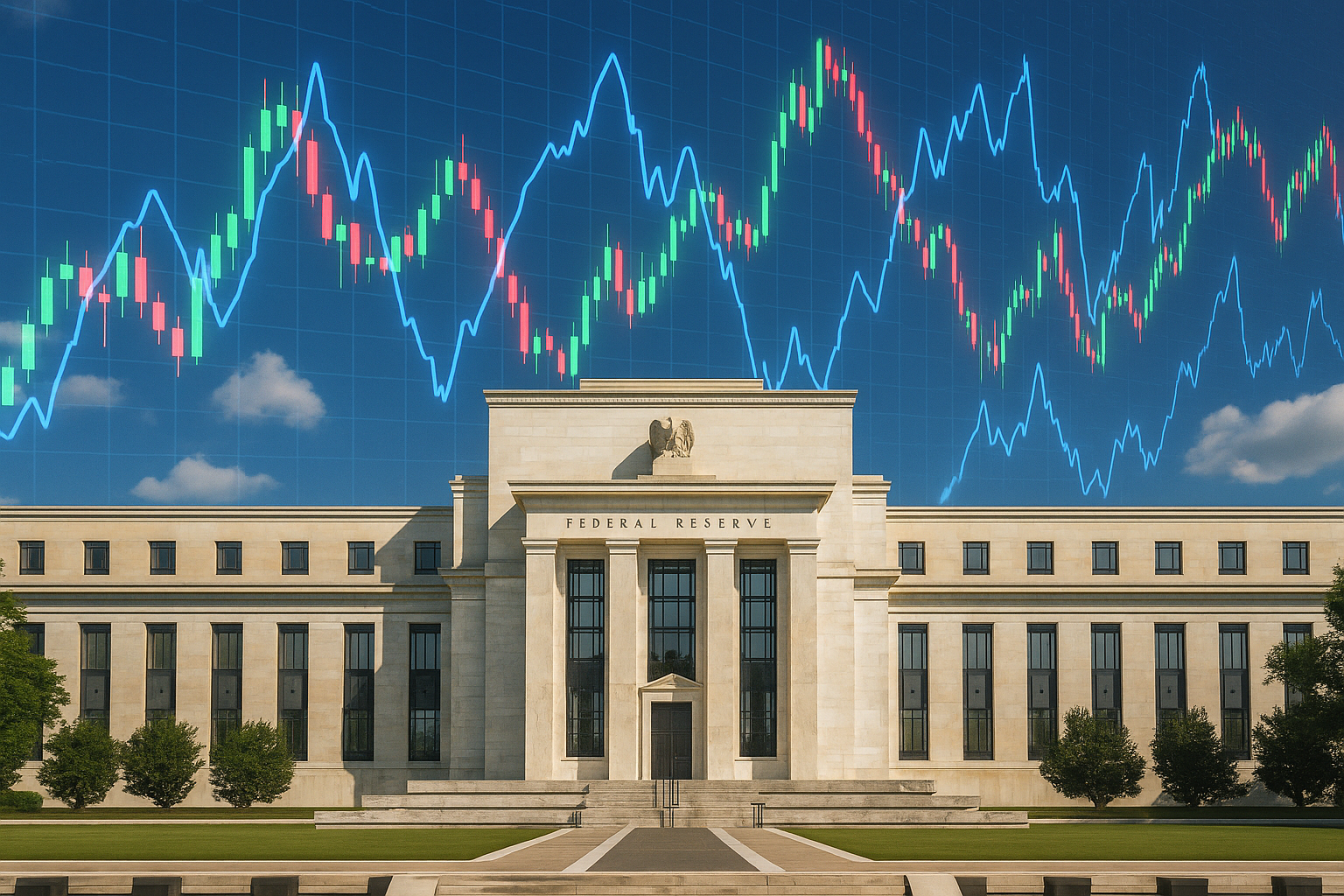
The Federal Reserve cut interest rates but signaled uncertainty about additional easing, prompting debate among economists and investors who remain divided about the U.S. growth trajectory.
The Federal Reserve announced a widely anticipated interest-rate cut on Wednesday, marking its latest attempt to support the U.S. economy as inflation continues to ease but growth indicators show signs of strain. The reduction, though modest, represents a strategic shift after months of keeping rates elevated to tame post-pandemic price pressures.
During a press conference, Fed Chair Jerome Powell said policymakers are “not on a preset course” and emphasized that future rate cuts remain uncertain. Powell cited mixed economic signals, including softening labor-market data, slowing consumer spending, and persistent geopolitical risks that could influence future decisions.
Financial markets reacted cautiously. Stocks initially rose on news of the rate cut but pared gains as investors absorbed the Fed’s warning that monetary easing could proceed more slowly than hoped. Bond yields fell slightly, reflecting expectations of limited short-term growth momentum.
Economists remain split on the move. Some argue that the Fed should cut more aggressively to counteract weakening demand, while others warn that premature easing could reignite inflation—especially in sectors such as housing and services, where prices remain sticky.
The central bank reiterated that it will continue evaluating data on a month-to-month basis, stressing that inflation must move sustainably toward its 2% target before broader easing can resume. Policymakers also highlighted concerns around global instability, supply-chain disruptions, and energy volatility.
The next Fed meeting is scheduled for early spring, with analysts predicting heightened scrutiny of labor data and corporate-earnings trends leading into the second quarter.