POLICY SHIFT WOULD MARK A SIGNIFICANT CHANGE IN HOW THE U.S. TREATS CASINO, SPORTS-BETTING, AND ONLINE GAMING INCOME
President Trump said he is considering eliminating federal taxes on gambling winnings, raising questions about revenue impact and gaming-industry regulation.
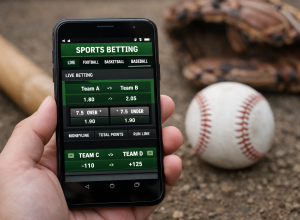
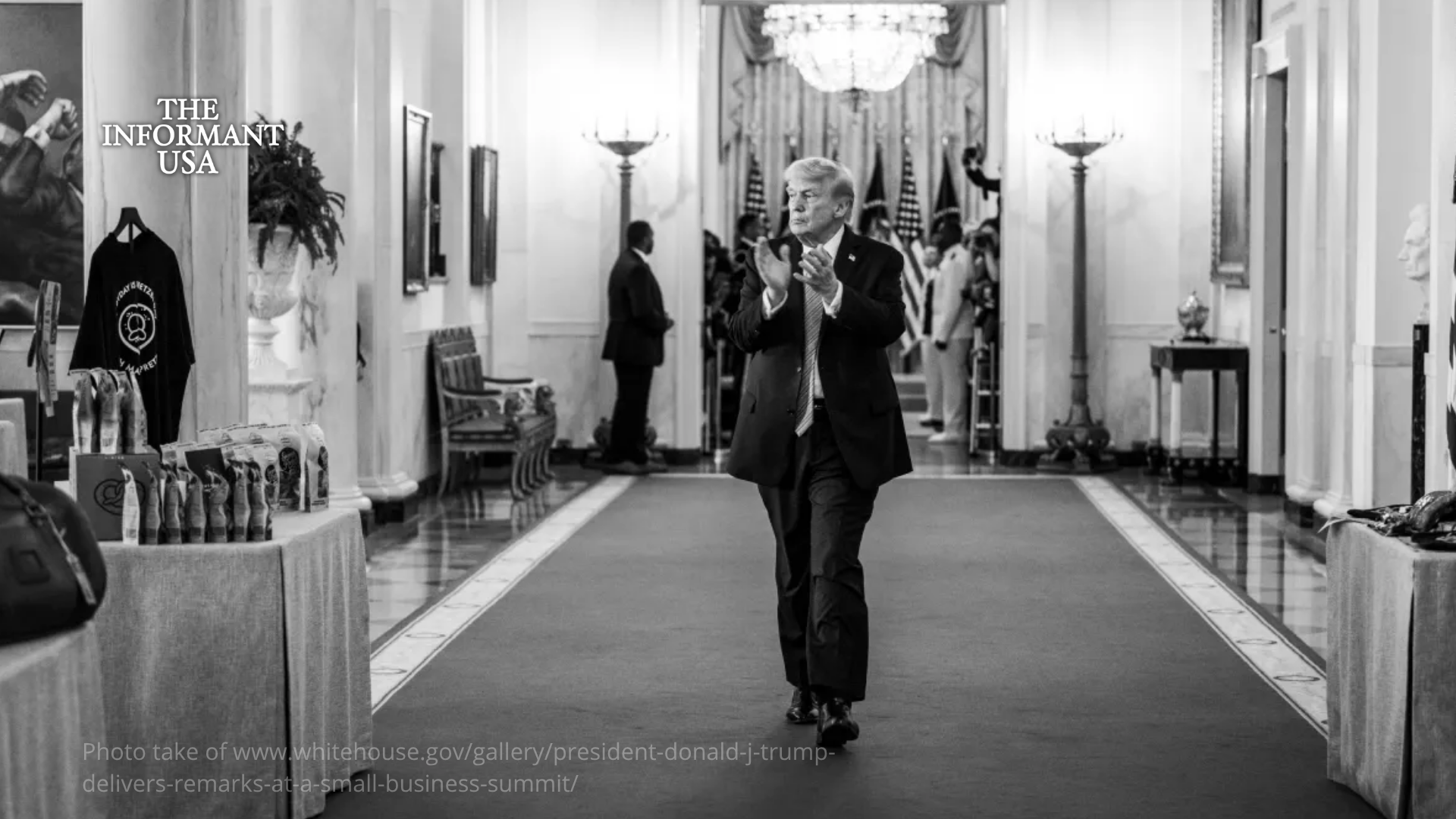
President Donald Trump said Wednesday that he is evaluating a proposal to end federal taxes on gambling winnings, a decision that would significantly alter long-standing federal tax treatment of casino, sports-betting, and online-gaming income. Trump floated the idea during public remarks, describing it as part of a broader effort to simplify the tax code and “support entertainment-driven economic sectors.”
Under current U.S. law, gambling winnings — including casino jackpots, sports bets, poker tournaments, fantasy sports, and lottery prizes — are taxable income and must be reported to the Internal Revenue Service. Eliminating federal taxes on these winnings would represent one of the largest policy shifts in decades for the gaming industry.
Economists say the proposal could boost consumer participation in gambling markets, benefiting casinos, sportsbooks, and state-regulated online platforms. However, it would also create a substantial revenue gap, as gambling-related taxation contributes billions to federal coffers annually. Any policy change would require congressional approval.
Critics warn the idea may encourage risky betting behavior and complicate state-level tax structures, many of which rely on gambling activity for key budget items. Supporters argue that eliminating the tax would stimulate tourism, gaming revenue, and entertainment-industry employment.
Tax-policy analysts note that the proposal would face intense legislative debate, especially during an election cycle, as lawmakers weigh economic stimulus against concerns about lost federal revenue and gambling-addiction impacts.
The White House has not released formal details or a timeline for the proposal. Congressional leaders have also not indicated whether such a measure would gain traction.