The proposal would expand biometric screening at U.S. borders, though details and scope have not been finalized.
The Department of Homeland Security has proposed a policy that would require certain tourists entering the U.S. on visas to submit DNA, a move that could significantly expand biometric data collection, according to officials.
The U.S. Department of Homeland Security has proposed a measure that would require tourists traveling on visas to submit DNA as a condition of entry into the United States, according to officials familiar with the proposal. The plan has not yet been finalized and would require further regulatory review before implementation.
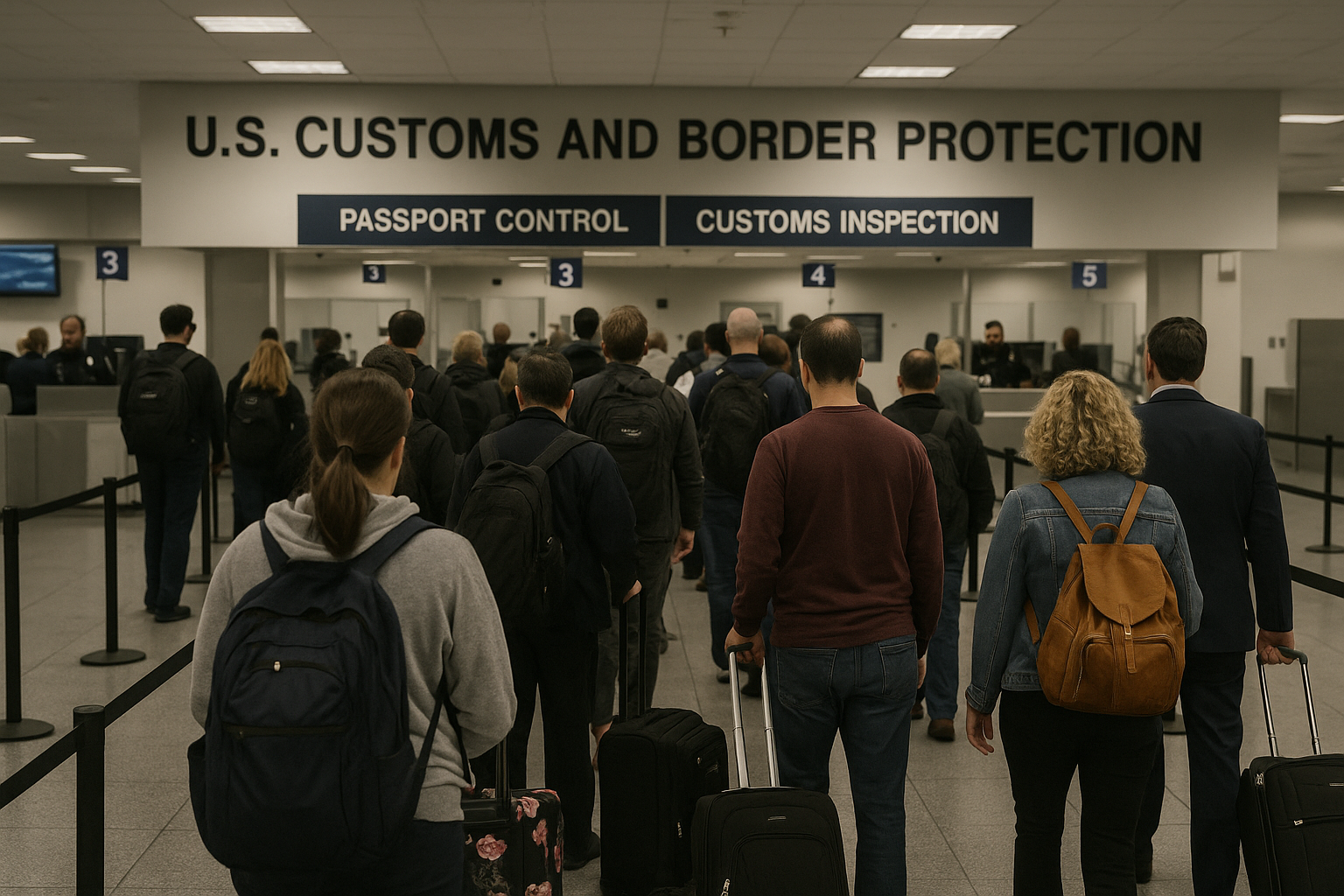
DHS officials say the proposal is intended to strengthen identity verification and national security screening at U.S. borders. The department already collects biometric data, such as fingerprints and photographs, from many non-citizens entering the country.
Under the proposal, DNA samples would reportedly be added to the list of identifiers used to confirm identity and support law enforcement databases. Officials have not publicly detailed how DNA would be collected, stored, or used, and those specifics have not been independently verified.
Civil liberties and privacy advocates have previously raised concerns about expanding biometric programs, warning that DNA collection could pose risks related to data security, misuse, and long-term surveillance. DHS has said in past biometric initiatives that safeguards are built into data handling processes.
Supporters of expanded biometric screening argue that additional identifiers could help prevent identity fraud and improve public safety. They note that DNA collection is already used in certain law enforcement and immigration contexts under existing law.
The proposal would need to go through formal rulemaking procedures, including public comment, before it could take effect. DHS has not announced a timeline, and officials said the policy could still be modified or withdrawn.