The designation comes as part of an escalation in the U.S. government’s response to the fentanyl crisis and drug-related national security threats.
The U.S. administration has officially designated illicit fentanyl as a weapon of mass destruction, signaling a significant escalation in efforts to combat the ongoing fentanyl crisis and the growing national security risks posed by illegal drugs.
The U.S. government has officially classified illicit fentanyl as a weapon of mass destruction (WMD), a move that signals a major shift in how the country approaches the ongoing fentanyl crisis. The decision is seen as a response to the alarming rise in fentanyl-related deaths and the growing threat posed by the drug trafficking networks responsible for bringing fentanyl into the United States.
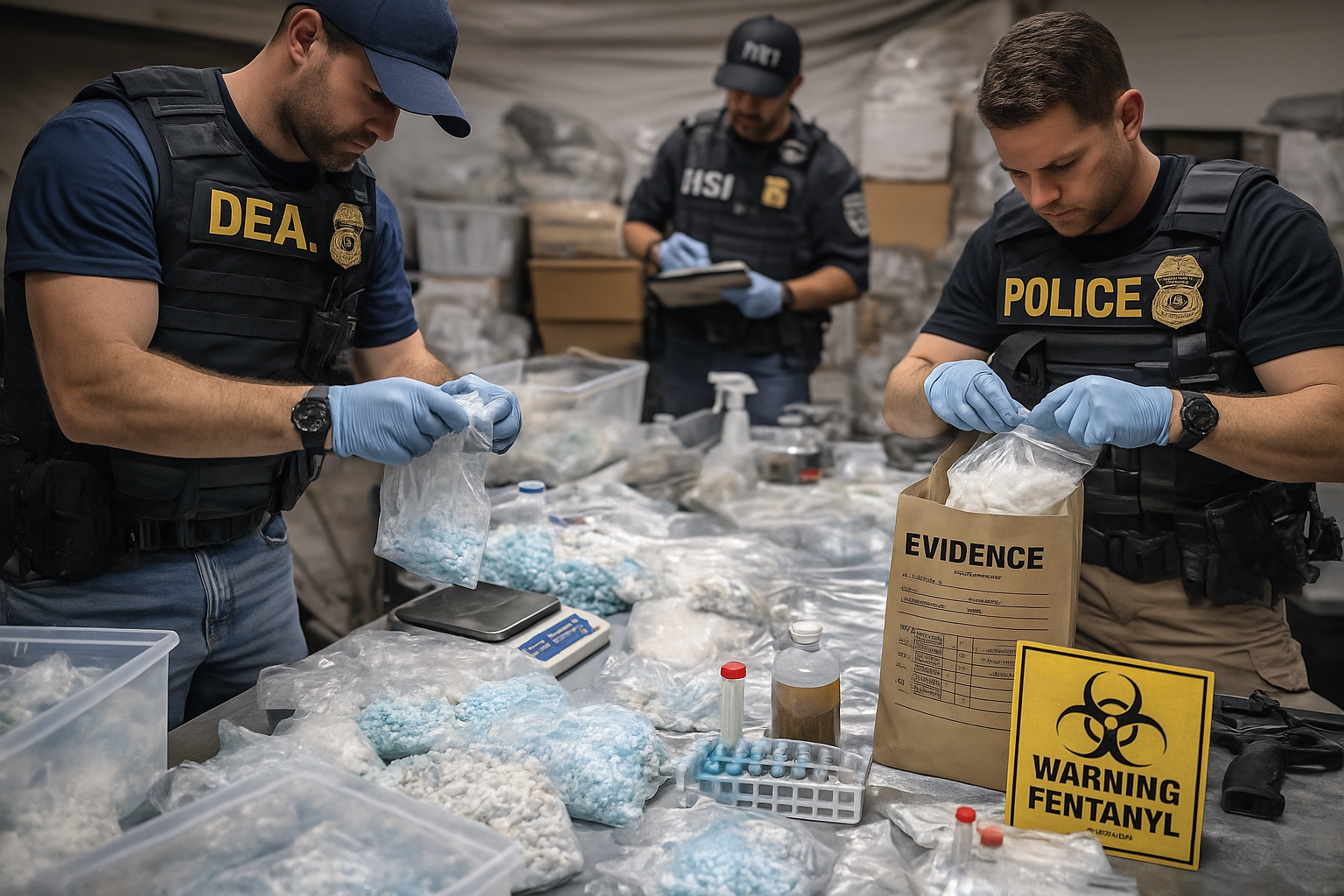
Fentanyl, a synthetic opioid that is 50 to 100 times more potent than morphine, has become a leading cause of overdose deaths in the U.S. in recent years. The U.S. Drug Enforcement Administration (DEA) has warned that fentanyl is being trafficked in increasingly large quantities, often mixed with other drugs like heroin and cocaine, amplifying its lethality.
The designation of fentanyl as a WMD means the federal government will treat trafficking and distribution of the drug as a matter of national security. It opens the door for expanded law enforcement actions and may involve the use of military resources to disrupt international drug trafficking operations, particularly from countries like China and Mexico, which have been identified as major sources of illicit fentanyl.
Lawmakers and public health officials have expressed concern over the scale of the fentanyl crisis and its impact on communities across the country. The new WMD designation is seen as a step toward increasing federal resources and coordination to combat the fentanyl trade, though critics caution that such measures should be balanced with efforts to address the root causes of addiction and overdose deaths.
The announcement of this designation comes at a time when fentanyl-related deaths continue to surge across the U.S., straining local healthcare systems and overwhelming emergency response teams. In addition to the deaths, fentanyl has caused a rise in crime and destabilization in communities hit hardest by the drug trade.
As federal authorities ramp up efforts to address the crisis, the classification of fentanyl as a WMD will likely have significant legal and operational consequences. The decision could lead to increased international cooperation and pressure on countries involved in the fentanyl supply chain, although challenges remain in fully curbing the flow of the drug into the U.S.